
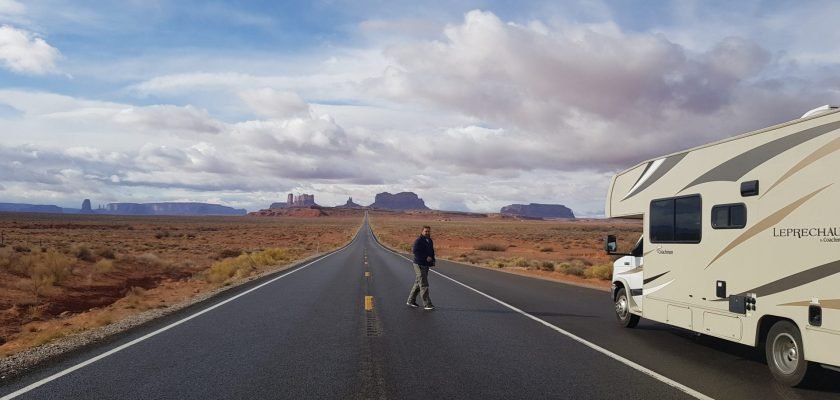
No matter how well you maintain your RV, breakdowns can happen at the most inconvenient times. Whether you’re parked on the side of a lonely highway or stuck at a rest stop, a breakdown can turn a relaxing trip into a stressful situation. Over time, I’ve learned that handling these moments calmly and methodically makes all the difference. Knowing exactly what to do can help you stay safe, protect your vehicle, and get back on the road faster.
Stay Calm and Assess the Situation
The first thing I do when my RV breaks down is take a deep breath and stay calm. Panic only clouds judgment and makes it harder to think clearly. I pull over as soon as I notice trouble, ideally to a safe spot off the main road or onto the shoulder. I make sure to park on level ground and turn on my hazard lights immediately so other drivers can see me.
Once stopped, I check for any obvious signs of what went wrong. This might be smoke from the engine, a warning light on the dashboard, or a strange noise. I don’t rush to open the hood until I’m sure it’s safe, especially if I smell gas or see steam. Safety always comes first.
Secure the Area for Safety
After stopping, I make sure my RV and everyone inside are safe. I set up reflective triangles or cones a few feet behind the vehicle to alert oncoming traffic. At night or in poor visibility, I use a flashlight or LED flare to make my position more visible.
If the RV is partially blocking the road and cannot be moved, I stay inside with seatbelts on until it’s safe to exit. I also avoid standing too close to the road, especially on busy highways. Being cautious about where I and my passengers are positioned can prevent accidents.
Try to Identify the Problem
Once I know we’re safe, I begin troubleshooting. Sometimes the issue is small and easy to fix, like a blown fuse, flat tire, or dead battery. Other times, it’s something more serious that needs professional help.
I start by checking my dashboard warning lights. If it’s a simple issue like low oil pressure or overheating, I turn off the engine and let it cool before doing anything else. I always keep a few essential tools in my RV, such as a tire pressure gauge, wrenches, duct tape, and jumper cables, which come in handy for quick fixes.
If the problem isn’t obvious or beyond my skill level, I avoid trying to fix it myself. Attempting repairs without proper knowledge can make things worse.
Contact Roadside Assistance
Roadside assistance can be a real lifesaver during breakdowns. I always keep the contact information for my RV insurance provider and roadside assistance service handy. Most RV insurance plans include towing and repair coverage, so I make sure to know exactly what my policy covers before traveling.
I give the dispatcher detailed information about my location, the type of vehicle, and what happened. If I’m unsure of my exact location, I use GPS coordinates from my phone or a nearby mile marker to help them find me faster.
While waiting, I stay inside the RV with the doors locked, especially if I’m in an unfamiliar or remote area. I use the time to check my supplies, water, and phone battery while staying alert for updates.
Communicate Clearly with Family or Friends
Whenever I have a breakdown, I make sure to let a family member or close friend know what’s happening. I send them my location, details about the situation, and updates on any assistance on the way. This not only keeps them informed but also provides an extra layer of safety if communication with roadside help gets delayed.
I also remind my passengers to stay calm. If kids are with me, I give them something to do to stay occupied, like a snack, a game, or music, while I handle the situation. Keeping everyone calm and comfortable makes a stressful moment much easier to manage.
Know When to Call for a Tow
Not all breakdowns require a tow, but I’ve learned it’s best not to take chances. If the RV won’t start, the brakes feel off, or there’s significant smoke or fluid leaking, I don’t risk driving further. Continuing to drive could cause more damage or even create a fire hazard.
When the tow truck arrives, I double-check that it’s from the company I called. I ask for identification if necessary. Once confirmed, I help guide the operator in securing the RV safely. I always remove or secure any loose items inside before towing to avoid interior damage.
Be Prepared for Delays
Breakdowns can disrupt even the best-laid travel plans. I’ve learned to accept that waiting for help or repairs is part of the journey. Instead of letting frustration take over, I use the time to rest, make a snack, or review the route ahead.
If the repair will take more than a few hours, I find a nearby campground or safe parking area to wait. I keep an eye on local repair shops, RV service centers, or dealerships that might handle the issue faster. Patience and preparation make these moments less stressful.
Keep Essential Supplies on Hand
I never leave for a road trip without a well-stocked emergency kit. It’s saved me countless times during breakdowns. My kit includes basic tools, jumper cables, tire repair supplies, a flashlight, batteries, and a multi-tool.
I also carry extra fluids such as engine oil, coolant, brake fluid, and windshield washer fluid. Having these on hand can sometimes get me back on the road without waiting for professional help.
For personal safety, I keep bottled water, snacks, blankets, and a small power bank for charging devices. Even if the breakdown lasts a few hours, I know I’ll have what I need to stay comfortable.
Manage Breakdowns in Extreme Weather
Weather can make breakdowns more dangerous, so I always plan accordingly. In hot weather, I make sure to have plenty of water and avoid sitting inside without ventilation for too long. In cold weather, I keep blankets, gloves, and a portable heater if the RV loses power.
If I’m stuck during a storm, I stay inside unless the situation requires evacuation. I monitor weather updates on my phone or radio to stay informed about changing conditions. The key is to stay calm and prioritize safety until the weather improves or help arrives.
Learn Basic Maintenance
Preventive maintenance is one of the best ways to reduce the risk of breakdowns. I regularly inspect my RV before each trip, checking tire pressure, fluid levels, and battery connections. I also look for leaks, worn belts, or frayed wires.
I make it a habit to schedule regular maintenance at a certified RV service center. This includes oil changes, brake inspections, and generator servicing. Taking care of small issues before they become major problems saves both time and money.
Having a basic understanding of how my RV works helps me diagnose issues quickly and communicate better with mechanics.
Handle Mechanical Failures with Caution
Mechanical issues can vary from minor inconveniences to serious hazards. If the engine overheats, I don’t open the radiator cap immediately, I wait for it to cool down to avoid burns. If I hear grinding or squealing noises from the brakes, I don’t continue driving until a mechanic checks it.
Transmission or electrical failures can also happen unexpectedly. I make sure to pull over at the first sign of trouble to prevent further damage. Acting early usually prevents a small issue from becoming an expensive repair.
Stay Safe During Nighttime Breakdowns
Breaking down after dark can be intimidating, but preparation helps. I use reflective gear and flares to make my RV more visible. I keep the interior lights dim to save battery but bright enough for visibility.
If I’m parked in an unsafe area, I call for assistance immediately and avoid leaving the RV. I also keep a flashlight within reach and stay aware of my surroundings until help arrives.
Work with Reliable Mechanics
Once I reach a repair shop, I look for certified RV technicians with good reviews. Not all auto mechanics specialize in RVs, so I confirm they’re equipped to handle my vehicle type. I also ask for a detailed estimate before approving any repairs.
If I’m traveling far from home, I keep digital copies of my RV’s service history to show the mechanic. It helps them understand my vehicle’s condition and avoid unnecessary repairs.
I also stay nearby during the inspection so I can ask questions and learn more about the issue. Knowing what caused the breakdown helps me prevent it from happening again.
Have a Backup Plan for Accommodations
If the repair takes longer than expected, I make arrangements for lodging. Many RV service centers allow customers to stay in their rigs overnight while waiting for parts. If that’s not possible, I look for a nearby hotel or campground.
Having an emergency fund specifically for breakdown-related expenses gives me peace of mind. It covers hotel stays, meals, or transportation while my RV is being fixed.
Use Technology to Your Advantage
Modern technology makes managing breakdowns easier than ever. I use GPS apps to locate nearby service stations, RV-friendly tow services, and repair shops. Apps like GasBuddy or Campendium help me find resources nearby, even in unfamiliar places.
I also download offline maps for areas with limited cell coverage. Having these tools on hand can be the difference between hours of frustration and a quick recovery.
Maintain a Positive Mindset
Breakdowns can test patience, but I try to view them as part of the adventure. Some of my most memorable travel stories started with an unexpected stop. Staying calm, prepared, and resourceful turns these moments into learning experiences rather than setbacks.
Instead of letting frustration take over, I focus on problem-solving. I remind myself that every challenge makes me a more confident traveler.
Conclusion
Knowing what to do when your RV breaks down can transform a stressful event into a manageable experience. Preparation, patience, and presence of mind are your best tools on the road. From safety precautions and communication to roadside assistance and repair strategies, being ready for the unexpected allows you to travel confidently.
By staying calm, equipping your RV with essentials, and understanding how to respond in different situations, you ensure that even the toughest breakdowns won’t stop your journey. After all, every adventure comes with surprises, it’s how you handle them that defines the trip.


