
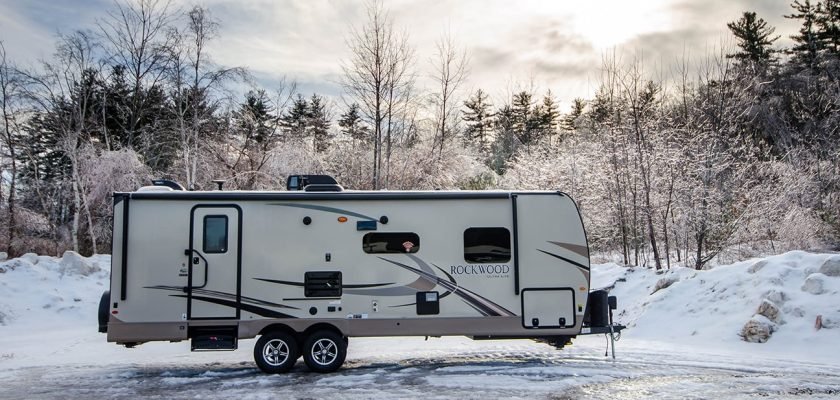
Before heading out on any RV adventure, I make it a point to go through a detailed checklist. It’s the single most important habit that saves me from breakdowns, forgotten essentials, and last-minute stress. The open road is full of surprises, and while that’s part of the thrill, the best kind of surprises are the scenic ones, not the flat tires or dead batteries. Over time, I’ve refined my pre-trip checklist into something that keeps both my RV and my mind in top shape before I hit the highway.
Inspecting the Exterior
I always begin outside. A quick walk-around inspection can reveal issues that might easily be overlooked. I start with the tires, checking both pressure and tread depth. Tires naturally lose air over time, and underinflated ones can heat up faster on long drives, which can lead to blowouts. I also make sure the lug nuts are tight and look for any cracks or bulges in the sidewalls.
Next, I check the exterior lights. Headlights, brake lights, and turn signals all need to work properly, especially if I’m traveling at night or through areas with low visibility. I have someone stand behind the RV while I test each one. It’s a quick step that could make all the difference on the road.
I also inspect the awnings, roof, and seals. Loose or damaged seals can lead to leaks, and a small crack can turn into a big headache during a rainstorm. A simple reseal with the right sealant can prevent that. The awning gets a visual check to ensure it retracts smoothly and doesn’t have tears or dirt that might trap moisture.
Checking Fluid Levels and Engine Health
Before turning the key, I always check the fluids. Oil, transmission fluid, coolant, brake fluid, and windshield washer fluid are all on my list. Low fluid levels can cause significant damage to the engine or affect braking power. I like to keep a small supply of extra fluids in my storage compartment, just in case I need to top off during the trip.
If my RV hasn’t been driven in a while, I let the engine run for several minutes before departure. It helps circulate the fluids and gives me a chance to listen for any strange noises. I also make sure the belts and hoses under the hood are tight and free from cracks or wear.
For motorhomes, I check the battery terminals for corrosion. A quick cleaning with a mixture of baking soda and water usually does the trick. If I’m towing a trailer, I also inspect the tow vehicle’s fluids and battery to ensure everything is ready for the extra load.
Testing the Generator and Power Systems
I always test the generator before heading out. There’s nothing worse than arriving at a remote campsite only to find out it won’t start. I run it for at least fifteen minutes, checking that it powers the electrical systems properly. If it sputters or stalls, it’s usually a sign that the fuel needs stabilizing or the oil needs changing.
I also plug the RV into shore power to ensure the converter is working. The batteries should charge and all interior lights should function normally. I test the outlets, microwave, and any major appliances to confirm they’re getting power. If something seems off, I’d rather troubleshoot it at home than on the road.
Water and Plumbing Systems
The water system is another area that requires careful attention. Before every trip, I fill the fresh water tank and run both the hot and cold sides of the faucets to ensure the pump is working properly. Air bubbles or sputtering usually mean the system needs to be primed or that the tank isn’t full.
I check for leaks under sinks, around the toilet, and at connection points. Even a small leak can cause water damage over time. I also test the water heater to make sure it’s heating efficiently. If I’ve recently sanitized the system, I run water through until the chlorine smell is gone.
Emptying and cleaning the gray and black tanks before leaving is just as important. I never want to hit the road with full tanks, it adds unnecessary weight and can cause odors. After dumping, I rinse the tanks thoroughly and add a tank treatment to help control smells during the trip.
Securing the Interior
Inside the RV, I go through each section to make sure everything is in place. Cupboards and drawers need to be latched tightly, or they’ll swing open on sharp turns. I secure loose items like dishes, electronics, and toiletries. Anything that can roll, tip, or fall gets either padded or stored in bins.
I make sure the refrigerator is closed and locked. A sudden stop can send the contents flying, so I pack it tightly and use tension rods to keep things in place. I also check that smoke detectors and carbon monoxide alarms have fresh batteries. It’s a simple step that ensures safety while camping or sleeping overnight in the RV.
The windows and blinds also get checked. I close and lock all windows to keep drafts out while driving and prevent them from rattling. I’ve learned that even small adjustments like securing window shades make for a quieter, smoother ride.
Packing the Essentials
Every RV trip needs a solid set of supplies. I always double-check that I’ve packed my hoses, power adapters, and leveling blocks. Forgetting a water hose or 30-to-50-amp adapter once taught me that lesson the hard way. I make sure I have an extra sewer hose too, because a backup can save the day if one leaks or tears.
I also carry basic tools: a wrench set, screwdrivers, pliers, duct tape, zip ties, and a utility knife. These small tools have solved countless minor issues without needing a repair shop. For safety, I include a fire extinguisher, first aid kit, flashlight, and spare fuses.
Cooking and cleaning supplies go next on my list. I check that I’ve packed propane for the stove, utensils, plates, dish soap, and trash bags. For longer trips, I restock paper towels, napkins, and sanitizing wipes. Even the simplest items, like a can opener or lighter, can make a big difference out in the wild.
Checking the Propane System
Propane powers many essential functions in the RV, from cooking to heating water. I always inspect the tanks to make sure they’re full and leak-free. A quick test with soapy water on the connections can reveal any leaks, if I see bubbles, I know it’s time to tighten or replace the fittings.
I also confirm that the propane regulator is working properly. Sometimes the flame on the stove can tell you right away; a weak or uneven flame means there’s a flow issue. Before departure, I secure the tanks and close the valves. Safety around propane is something I never take lightly.
Reviewing Travel Plans and Campsite Reservations
While it’s fun to be spontaneous on the road, I’ve found that a little planning goes a long way. I review my route, making sure I know the fuel stops, rest areas, and RV-friendly roads. Low bridges or narrow passes can ruin a good trip fast. I use apps and maps that cater to RV travelers to avoid surprises.
I also confirm my campsite reservations and arrival times. Some campgrounds have strict check-in hours, and showing up late can cause issues. If I’m boondocking, I research the area’s regulations and make sure overnight parking is allowed. I print or download backup maps in case cell service drops.
Checking Safety Gear
Before departure, I ensure my emergency gear is in good condition. I check the spare tire, jack, and lug wrench, making sure they’re ready to use. My emergency roadside kit includes flares, reflective triangles, jumper cables, and a tire repair kit. Having these items easily accessible provides peace of mind, especially when traveling long distances.
I also check my fire extinguisher’s pressure gauge and expiration date. Even though I’ve never had to use it, knowing it’s there and working properly is reassuring.
Final Walk-Around
Before pulling out of the driveway or campsite, I always do one last walk-around. It’s amazing how often this quick check has saved me from mistakes. I look for raised antennas, open storage doors, or unlatched compartments. I make sure the power cord and hoses are disconnected and stored properly.
I verify that the leveling jacks are retracted and that the steps are up. I check the hitch connection if I’m towing, confirming that safety chains and the breakaway cable are attached correctly. A final look at the tires, lights, and mirrors is the last step before I climb into the driver’s seat.
Testing the Brakes and Lights
Once everything looks good, I do a short brake test in the driveway or parking lot. I listen for any squeaks or grinding noises and ensure the brake controller for the trailer is functioning. The lights are checked once more, especially turn signals and brake lights.
For peace of mind, I also check that the mirrors are positioned correctly. Driving an RV requires full visibility, and even a slightly off-angle mirror can make lane changes or turns tricky.
Preparing the Family and Pets
If I’m traveling with family or pets, I make sure everyone’s comfortable and secure. Kids have their seatbelts fastened, and pets are either in carriers or secured with harnesses. I keep snacks, water, and entertainment close by for long drives. Having a plan for breaks makes the trip smoother and more enjoyable for everyone.
I also make sure everyone knows the plan for the day, how far we’ll drive, where we’ll stop, and what to expect. Keeping everyone informed helps avoid the constant “Are we there yet?” questions.
The Final Start-Up
Once all the checks are done, I start the engine, let it idle for a few minutes, and listen carefully. If all systems look good, fluids, gauges, and warning lights, I shift into gear and take off knowing I’ve done everything possible to prepare. That peace of mind makes the drive far more relaxing.
Before I hit the main road, I test the brakes and steering again at low speed, making sure the RV handles smoothly. I also make sure my GPS or navigation system is set up before moving so I’m not distracted later.
Conclusion
Going through a pre-trip checklist might seem tedious, but it’s one of the most important habits I’ve developed as an RV traveler. It keeps my vehicle safe, my belongings secure, and my trips worry-free. Over time, I’ve learned that the best adventures start with preparation. A few extra minutes of inspection can prevent hours, or even days, of frustration down the road.
The open road always brings a sense of freedom, but that freedom is best enjoyed with confidence. With a solid checklist in hand, every trip begins with excitement instead of anxiety. Whether it’s a weekend getaway or a cross-country journey, I know that each mile ahead is ready for me, because I’ve already done the work to make sure my RV is too.


