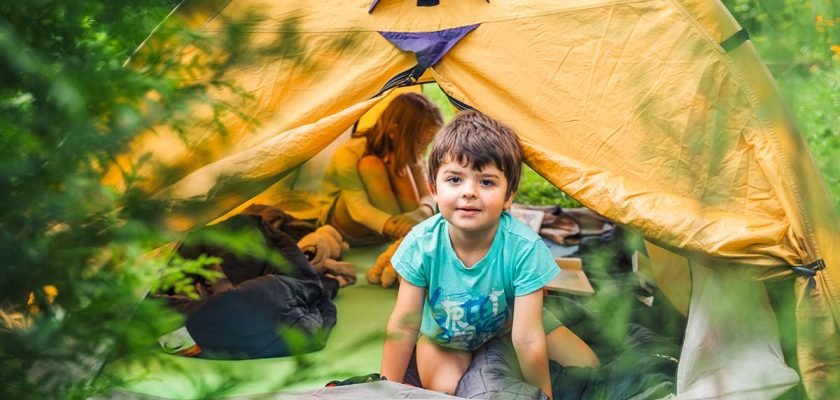
Camping off-grid offers a kind of peace and freedom that traditional campgrounds just can’t match. The quiet of the woods, the sound of running water nearby, and the feeling of total independence make it an incredible experience. But that freedom also comes with responsibility. Being far from services, stores, or even cell reception means preparation and awareness are your best safety tools. Over the years, I’ve developed habits and strategies that help me stay safe while still enjoying all the beauty and solitude that off-grid camping offers.
Researching the Location
Before I head out, I make it a rule to research my destination thoroughly. I look into the terrain, local wildlife, weather conditions, and accessibility. Knowing whether the area has good drainage, if roads are prone to flooding, or if bears are common can make all the difference. I also check the local regulations, some areas have restrictions on campfires or require permits for dispersed camping.
I use satellite maps and read recent reviews from other campers to get a sense of the terrain and accessibility. This helps me avoid surprises, like discovering that the access road is too rough for my RV or that the site floods easily after rain. Having a good idea of what to expect makes setup safer and ensures I’m not putting myself or my RV in danger.
Telling Someone Your Plans
One of the simplest but most important safety habits is telling someone where I’m going. Before I leave, I share my exact location, expected return date, and a backup plan if I need to move. This gives friends or family a point of reference in case something goes wrong and I lose communication.
Even though it feels like a small step, it provides peace of mind. I also leave a note in my RV with the same details, just in case emergency responders ever need it. This habit might seem unnecessary, but it could make a huge difference in a remote situation.
Preparing the RV and Gear
Before heading off-grid, I always give my RV a full inspection. I check the tires, brakes, and all fluid levels, making sure everything is in good shape. I test the generator, solar panels, and battery connections to ensure I’ll have reliable power. I also carry spare fuses, an air compressor, and a patch kit for tires since help can be far away.
For gear, I make sure my tool kit is complete with wrenches, screwdrivers, duct tape, and zip ties. I also bring a shovel, small axe, and folding saw. These come in handy for clearing fallen branches, digging drainage trenches, or gathering firewood. A small investment in preparation often saves a big headache later.
Stocking Up on Food and Water
Being self-sufficient is essential when camping off-grid. I calculate how much food and water I’ll need and then add a few extra days’ worth just in case plans change. Non-perishable foods like canned goods, pasta, rice, and dehydrated meals are my staples. They’re lightweight, easy to store, and last for weeks.
For water, I fill my tanks before heading out and bring backup containers. I also carry a water filtration system and purification tablets. Natural water sources can be unpredictable, and even clear mountain streams can carry bacteria. Having a reliable way to make clean water keeps me safe from dehydration and illness.
Staying Connected Without Cell Service
One of the biggest challenges of camping off-grid is losing cell signal. To stay connected, I use a GPS communicator that lets me send messages via satellite. It’s not as convenient as a phone, but it works anywhere and gives me peace of mind.
I also download offline maps before leaving. Apps like Gaia GPS or AllTrails let me track my route without needing cell data. This makes navigation simple, even in deep wilderness areas. I always bring a paper map and compass too, technology can fail, but those tools never run out of battery.
Fire Safety and Heat Management
Campfires are part of the camping experience, but off-grid areas can be vulnerable to wildfires. I only start fires in designated pits or areas where it’s safe, and I always keep water or a shovel nearby to extinguish them. Before going to bed or leaving the site, I make sure the embers are completely cold.
For cooking, I often use a propane stove instead of relying on fire. It’s faster, safer, and easier to control. During dry seasons, I avoid fires altogether and focus on keeping my RV well-ventilated to stay cool. For warmth, I use extra blankets or a small propane heater rated for indoor use, making sure there’s always ventilation to prevent carbon monoxide buildup.
Wildlife Awareness
Wild animals are part of the beauty of camping off-grid, but they can also pose risks. I store food in airtight containers and keep it inside the RV whenever possible. If I’m tent camping, I hang food high in a tree or use a bear-proof container at least 100 feet away from camp.
I avoid cooking near the sleeping area and never leave trash or leftovers outside. Scents attract animals from a distance, and even a curious raccoon can make a mess of your campsite. I also make noise when walking around at dusk or dawn to avoid surprising any nearby wildlife.
Emergency Preparedness
Accidents can happen, even with the best preparation. That’s why I keep a fully stocked first-aid kit in the RV. It includes bandages, antiseptic wipes, tweezers, pain relievers, and any personal medications. I also keep a small backup kit in my backpack for hikes.
I’ve taken a basic first-aid and CPR course, which helps me feel more confident in handling emergencies. I also carry a flashlight, extra batteries, fire extinguisher, and emergency blanket. Knowing where these items are and how to use them could make all the difference in a crisis.
Protecting Against Weather Hazards
Weather can change quickly in remote areas, so I always check forecasts before and during the trip. If a storm is predicted, I park my RV on higher ground away from rivers or low-lying areas that could flood.
I make sure the RV’s awning is secured or retracted during high winds to prevent damage. In hot weather, I stay hydrated, use shade covers, and plan activities for the cooler parts of the day. In cold conditions, I insulate water hoses and tanks to prevent freezing. Staying alert to weather changes helps me avoid many potential dangers.
Maintaining Power and Energy
Power management is critical off-grid. I rely on a mix of solar panels, a generator, and deep-cycle batteries. Solar panels provide silent, renewable energy during the day, while the generator acts as a backup for cloudy periods or high-demand times.
I keep track of my energy use and only run high-consumption appliances like air conditioning or microwaves when absolutely necessary. LED lighting, energy-efficient fans, and a good inverter make my power setup more reliable. Knowing exactly how much power I have available prevents being left in the dark unexpectedly.
Handling Waste Safely
Managing waste responsibly is a key part of safe off-grid camping. I always carry enough black and gray water capacity to last the duration of my trip, and I only dump at approved stations. Dumping waste illegally harms the environment and can create serious health hazards.
For solid trash, I separate recyclables and store everything in sealed bags until I find a proper disposal area. I never burn or bury garbage since it can attract animals or contaminate the soil. Leaving the campsite clean ensures both safety and respect for nature.
Lighting and Visibility
Good lighting is essential at night. I use solar-powered lights outside the RV to mark the area and reduce tripping hazards. Inside, I keep battery-powered lanterns for quick illumination if the power system fails.
Headlamps are particularly useful because they free up my hands while walking around after dark. I also make sure to wear reflective gear or carry a flashlight if I need to walk near roads or trails. Visibility helps prevent accidents, especially in areas without artificial lighting.
Safety While Hiking or Exploring
Exploring the area around the campsite is part of the fun, but I always take precautions. I bring a small backpack with water, snacks, a map, and a whistle. I never go too far from camp without telling someone my direction or estimated return time.
I wear proper footwear to prevent slips or injuries and stay aware of my surroundings. It’s easy to get disoriented in unfamiliar terrain, so I mark my route or drop small indicators to guide me back. Taking breaks and staying hydrated helps avoid fatigue, which can lead to mistakes.
Vehicle Security
Even in remote places, theft can happen. I lock all RV doors and compartments whenever I leave the site. I also use a steering wheel lock and hitch lock for added security. At night, I keep a motion-sensor light or camera near the door to alert me to any movement outside.
I never broadcast my exact location on social media in real-time. Sharing those details after I’ve left the site keeps my location private and reduces risk. While off-grid camping is generally safe, it’s still wise to protect your belongings just as you would at home.
Trusting Your Instincts
Experience has taught me to trust my gut. If a campsite feels unsafe, isolated, or uneasy, I move on. No destination is worth compromising safety or comfort. Listening to instincts often prevents situations that might otherwise escalate into real danger.
I’ve also learned to balance solitude with awareness. I enjoy the quiet but remain alert to sounds, smells, and changes in my environment. Small details, like the direction of the wind or distant thunder, can signal important shifts in conditions.
Conclusion
Staying safe when camping off-grid comes down to preparation, awareness, and respect for nature. With careful planning and a proactive mindset, it’s possible to enjoy total freedom without unnecessary risk. From checking your gear to managing power, protecting food, and monitoring weather, each step builds a stronger layer of safety.
The rewards of off-grid camping are immense, the quiet mornings, star-filled nights, and unspoiled landscapes remind me why I love this lifestyle. But those experiences are best enjoyed with confidence and security. By planning ahead and staying alert, I can embrace the wild while knowing I’m prepared for anything the road, or the wilderness, throws my way.


