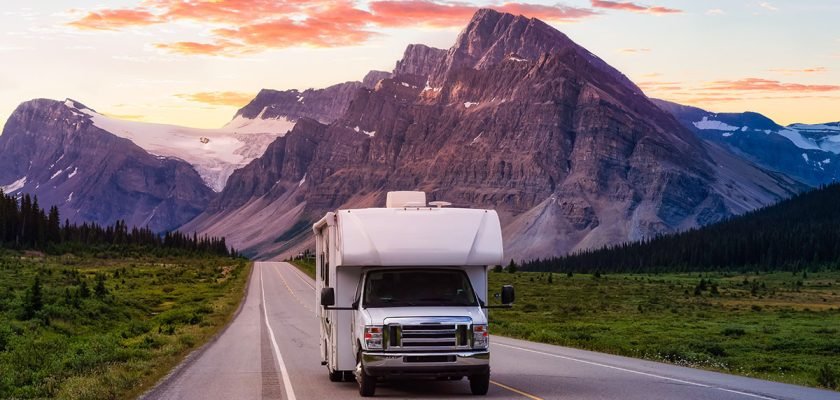
There’s nothing quite like driving along the coast with the ocean stretching endlessly beside you. The rhythmic crash of waves, the salty breeze slipping through open windows, and the sight of rugged cliffs or golden beaches just beyond the guardrail make coastal drives unforgettable. Traveling these routes by RV brings an entirely new level of freedom and comfort. You can stop whenever the view calls to you, pull over for a beach picnic, or wake up to the sound of seagulls just outside your window.
The Allure of Coastal RV Adventures
Driving along the coast has a rhythm of its own. It’s not about rushing to your destination but savoring the journey. Coastal roads have a way of slowing time, inviting you to notice how light dances on the water or how the landscape changes with every mile. Traveling by RV lets you experience that flow with ease. Your home moves with you, so there’s no need to pack and unpack, no searching for hotels, and no schedule other than the one you make.
For families, couples, or solo travelers, the coast offers a sense of peace that’s hard to match. I’ve found that coastal routes are ideal for reconnecting, with nature, with loved ones, and even with yourself. Whether it’s a stretch of rocky cliffs in Oregon or the serene sands of Florida’s Gulf Coast, each turn of the road feels like a new story waiting to be discovered.
Pacific Coast Highway, California
Few routes capture the romance of RV travel quite like California’s Pacific Coast Highway. Winding from Dana Point in the south to Leggett in the north, this route offers over 600 miles of jaw-dropping coastal beauty. The cliffs of Big Sur are a highlight, where the Pacific crashes hundreds of feet below and every turn reveals a new postcard-perfect view.
Driving an RV on this highway requires patience and attention, the curves can be sharp and the lanes narrow, but the payoff is spectacular. I like to start early in the morning to catch the sunrise over the ocean and stop often at scenic turnouts. Places like McWay Falls, Pfeiffer Beach, and Bixby Creek Bridge are must-sees.
Camping along the way is easy, too. Spots like Kirk Creek Campground offer incredible ocean views right from your RV window. By evening, as the sun dips into the Pacific, you can sit outside with a cup of coffee and feel like you’ve found the edge of the world.
Oregon Coast Highway
The Oregon Coast Highway is another gem, stretching from Brookings to Astoria. What makes this drive so special is the variety, one moment you’re cruising past wide beaches dotted with driftwood, the next you’re weaving through dense forests with glimpses of sea stacks through the trees.
The coastline here feels wild and untamed. Small towns like Florence, Newport, and Cannon Beach add charm and character to the journey. I love stopping at local seafood shacks for fresh chowder or fish and chips. Oregon’s state parks are plentiful and RV-friendly, with sites that often include direct beach access.
If you enjoy photography, bring your camera, this is one of the most photogenic drives in the country. Haystack Rock in Cannon Beach, the Yaquina Head Lighthouse, and the dramatic cliffs at Cape Perpetua make it easy to fill your gallery with unforgettable images.
The Outer Banks Scenic Byway, North Carolina
On the opposite side of the country, the Outer Banks Scenic Byway offers a completely different but equally breathtaking coastal experience. This route covers about 138 miles through the barrier islands of North Carolina, combining ferry rides, sand dunes, and historic lighthouses into one unforgettable trip.
What stands out most here is the feeling of stepping back in time. The pace is slower, and the communities are small and welcoming. I like to take the ferry from Ocracoke to Hatteras and watch dolphins playing in the wake. The Cape Hatteras Lighthouse is an icon worth climbing for a bird’s-eye view of the coast.
RV travelers will find plenty of campgrounds near the beach, many with direct access to the water. Nights here are peaceful, with the sound of the waves serving as your lullaby. It’s a perfect route for families wanting a relaxing and scenic escape.
The Florida Keys Overseas Highway
Driving through the Florida Keys feels like cruising over a tropical dream. The Overseas Highway, which connects the mainland to Key West, crosses 42 bridges over turquoise waters that look almost unreal. For an RV traveler, it’s paradise on wheels.
The highway stretches about 113 miles and offers plenty of opportunities to stop for snorkeling, kayaking, or just lounging by the beach. Bahia Honda State Park is one of my favorite stops, with clear waters perfect for swimming and RV sites steps away from the shore.
By the time you reach Key West, the southernmost point in the continental U.S., you’ll have experienced a drive that feels like it belongs in a movie. Watching the sunset at Mallory Square, surrounded by street performers and travelers from all over the world, is a perfect way to end the journey.
Olympic Peninsula Loop, Washington
The Olympic Peninsula Loop in Washington is an underrated coastal adventure that combines ocean views, rainforests, and mountain scenery. Starting and ending in Olympia, this 350-mile loop takes you through one of the most diverse regions in the country.
Driving an RV here means waking up to misty mornings, exploring tide pools in the afternoon, and falling asleep to the sound of the surf at night. I like to spend extra time at Rialto Beach and Ruby Beach, where sea stacks rise from the waves like sculptures.
Inside Olympic National Park, the Hoh Rain Forest offers lush green trails that feel almost otherworldly. The combination of salt air and forest scent is something you don’t forget. Many campgrounds along this route are nestled among the trees, offering a sense of peace that’s hard to find elsewhere.
Maine’s Coastal Route 1
For those who love New England charm, Maine’s Coastal Route 1 delivers it in spades. This drive stretches from Kittery to Lubec, hugging the state’s rugged coastline. You’ll pass through picturesque fishing villages, see classic lighthouses, and taste some of the best lobster rolls you’ll ever find.
RV travel here feels cozy and inviting. The road winds past small harbors and rocky shores, and the smell of saltwater fills the air. Stops like Camden, Bar Harbor, and Acadia National Park are must-visits. I enjoy setting up camp near Bar Harbor, exploring tide pools by day, and warming up by a fire at night.
Autumn adds an extra layer of magic to this route, with fall colors blending beautifully with the deep blue of the Atlantic. It’s a slower drive, but one that rewards patience with pure coastal serenity.
Gulf Coast Drive, Alabama to Florida
The Gulf Coast often flies under the radar compared to its Pacific or Atlantic counterparts, but it has its own unique charm. Driving from Alabama through the Florida Panhandle offers miles of soft white sand and calm, emerald-green waters.
One of my favorite stretches runs from Gulf Shores, Alabama, to Destin, Florida. Along the way, you can stop at state parks like Grayton Beach or St. Andrews, where RV camping feels luxurious thanks to the scenic views and gentle waves.
This drive is perfect for families because the beaches are shallow and calm. The seafood along this route is fantastic, and there’s always a friendly, laid-back vibe. Watching the sun set over the Gulf while sitting outside your RV is the kind of moment that stays with you.
Cape Cod Scenic Drive, Massachusetts
Cape Cod offers a shorter coastal route packed with history and charm. Driving along Route 6A, known as the Old King’s Highway, feels like stepping into a New England postcard. You’ll see weathered shingle houses, sand dunes, and small seaside towns that seem frozen in time.
This is a great route for smaller RVs since the roads can be narrow. I love parking near the beach in Wellfleet or Provincetown and spending the day biking or walking along the shoreline. The Cape Cod National Seashore is especially beautiful, with rolling dunes and quiet beaches perfect for reflection.
Pacific Northwest’s Highway 101 Loop
Highway 101 connects parts of California, Oregon, and Washington, forming a grand loop of coastal adventure. If you have time, this is the ultimate route for RV travelers who want to see it all. From the redwoods of Northern California to the rugged Oregon coast and the misty cliffs of Washington, it’s a journey that offers constant variety.
I find that this drive captures the essence of RV travel: freedom, beauty, and discovery. There are plenty of campgrounds right along the route, many offering ocean views. I like to plan short driving days and spend afternoons exploring tide pools, hiking coastal trails, or simply watching the waves.
Tips for a Smooth Coastal RV Trip
Driving along the coast can be both beautiful and challenging. Winds can be strong, and roads can be narrow, so taking your time is key. I always check the weather before setting out, especially for routes that hug cliffs or cross bridges.
Another important tip is to plan your stops in advance, especially during peak travel seasons. Coastal campgrounds fill up fast, so reserving ahead ensures you get the best spots. Packing extra water and snacks also helps, as some stretches between towns can be surprisingly remote.
Lastly, make time to explore beyond the road. Park your RV, walk barefoot on the sand, watch the sunset, and let the sound of the ocean remind you why you started this journey in the first place.
Conclusion
Coastal RV travel combines the freedom of the open road with the magic of the sea. Whether you’re winding through California’s cliffs, crossing the Florida Keys bridges, or exploring Maine’s rocky shores, these routes remind you how vast and beautiful the world really is. Traveling by RV gives you the chance to live in the moment, to wake up to ocean air, chase sunsets, and fall asleep surrounded by nature’s calm.
No matter which route you choose, the coast has a way of making every journey feel timeless. Each wave, each stretch of sand, and each small coastal town leaves its mark, turning the road itself into a part of your story.


