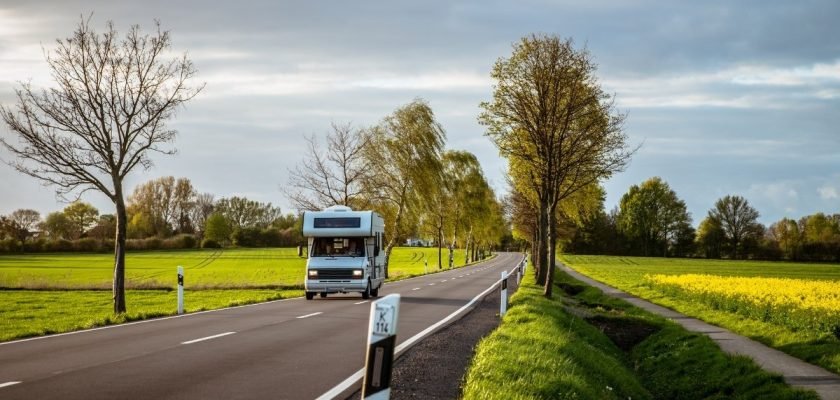
Planning an RV trip from California to Colorado feels like opening a map full of endless adventures. The landscape transforms with each passing mile, golden beaches turning into towering mountains, vast deserts giving way to lush forests, and small towns dotting the highways like hidden treasures waiting to be found. I’ve made this trip more than once, and each time, I uncover something new about both the land and the journey itself. Whether you’re after scenic beauty, family-friendly campgrounds, or peaceful nights under the stars, this route promises the perfect blend of freedom and discovery.
Starting the Journey: California’s Coastline
Beginning the drive along California’s coast sets the tone for the trip. I always start near the Pacific Coast Highway, where the ocean seems to stretch forever and the salty breeze follows the RV for miles. Malibu and Santa Barbara make for great early stops. You can pull over for a quick swim, grab a bite at a beachfront café, or even spend the night at one of the RV-friendly campgrounds that hug the cliffs.
Ventura Ranch KOA is one of my go-to spots before heading inland. It’s quiet, surrounded by oak trees, and often alive with the chatter of wildlife. It’s also perfect for families because it offers ziplines and hiking trails right from camp. From here, it’s easy to head toward the heart of California, where the coastline gives way to rolling vineyards and open farmland.
Heading Toward the Sierra Nevada
As the road veers east, the Sierra Nevada range comes into view. Yosemite National Park is an essential stop if you’ve never been, but even if you have, it’s worth another look. RV spots fill quickly here, so I usually plan ahead and reserve a site at Upper Pines Campground or Tuolumne Meadows. Both provide spectacular views and access to trails that showcase Yosemite’s rugged beauty.
After leaving Yosemite, I like to travel south through Bishop, a charming small town that acts as a gateway to the Eastern Sierra. The drive through this region is some of the most breathtaking in the West, with snow-capped peaks, turquoise lakes, and long stretches of highway framed by rocky cliffs.
Exploring Nevada’s Desert Route
Crossing into Nevada, the scenery changes dramatically. The lush forests and alpine air give way to wide-open desert and striking rock formations. I usually stop in Tonopah, a quirky desert town halfway between California and Utah. Its historic mining roots give it a unique atmosphere, and there’s a well-kept RV park right near the old cemetery that adds a touch of charm.
Heading farther east, the Extraterrestrial Highway near Rachel, Nevada, is a fun detour for anyone who enjoys a bit of roadside mystery. The drive feels endless, with nothing but desert, sky, and the occasional UFO-themed diner in sight. I like to spend a night at Cathedral Gorge State Park before crossing into Utah. The sandstone formations there are like sculptures, glowing pink and orange in the evening light.
Utah’s Majestic National Parks
Utah might just be the most visually stunning part of the trip. From Zion to Arches, the state is packed with iconic landscapes that feel otherworldly. I usually start at Zion National Park because it’s the closest as you enter from Nevada. The Watchman Campground inside the park is ideal for RVs and puts you right near the Virgin River.
Driving east toward Bryce Canyon, the hoodoos, those spire-shaped rock formations, create a landscape that seems to belong to another planet. Ruby’s Inn RV Park and Campground sits right outside the entrance and makes a comfortable overnight base.
From there, I continue along Highway 12, one of the most scenic roads in America. It cuts through Grand Staircase-Escalante National Monument, where every turn reveals a new vista. I often stop in Escalante or Boulder, both small towns with family-owned campgrounds and cozy diners that serve up homemade pie.
Finally, I make my way toward Arches and Canyonlands National Parks near Moab. The red rocks glow at sunrise, and the area’s trails are perfect for early morning hikes. The Moab Valley RV Resort offers full hookups and is close to both parks, making it an ideal base to explore.
Crossing Into Colorado
As the Utah border fades in the rearview mirror, Colorado’s landscape begins to rise. The transition is gradual but noticeable. The air cools, the rivers widen, and the mountains grow taller. I always make my first stop in Grand Junction, which sits right along the Colorado River. James M. Robb State Park has several campgrounds suitable for RVs and provides easy access to river trails and local wineries.
From there, the road into the Rockies feels like driving through a painting. Glenwood Springs is one of my favorite stops, known for its natural hot springs. After a long day on the road, soaking in those warm pools surrounded by mountain views feels like pure bliss. The Glenwood Canyon Resort accommodates RVs and sits right beside the river, making it perfect for both relaxation and exploration.
Through the Heart of the Rockies
The route through Colorado’s interior is packed with scenic highlights. Driving through Aspen and Independence Pass is exhilarating. The road winds through dense pine forests and high alpine meadows, often revealing herds of elk grazing in the distance. While RVs over a certain length aren’t allowed on the steepest sections of Independence Pass, smaller rigs can make the journey safely. Otherwise, I recommend taking the slightly longer route through Leadville, which still delivers mountain beauty without the white-knuckle turns.
Leadville, the highest incorporated city in the United States, offers a taste of Old West charm. The RV park near Turquoise Lake is one of those peaceful spots where you can watch the sun set behind the peaks and listen to the wind moving through the pines.
Discovering Colorado Springs and Beyond
Further east, Colorado Springs offers a balance of outdoor adventure and city comfort. Garden of the Gods is a must-see, with its towering red rock formations that seem to defy gravity. Cheyenne Mountain State Park provides RV-friendly campsites with views overlooking the city.
From Colorado Springs, I like to head north toward Denver or south to explore the lesser-known San Luis Valley. Both directions have something special. Near Alamosa, the Great Sand Dunes National Park makes a surprising stop, massive dunes rising from the valley floor with snowcapped peaks behind them. The Piñon Flats Campground sits right within the park and has roomy RV spaces perfect for families.
Best Stops for Families Along the Route
This route is packed with family-friendly attractions. Along the way, I make sure to stop at a few key places that keep kids entertained while still giving adults time to relax. The California Science Center in Los Angeles, the dinosaur museums near Moab, and the hands-on exhibits at the Denver Museum of Nature and Science all make for memorable stops.
RV parks like Zion River Resort, Glenwood Canyon Resort, and Jellystone Park near Larkspur are built with families in mind. They have pools, playgrounds, and activity centers that break up the long drives and give everyone a chance to unwind.
Tips for a Smooth Trip
Preparation makes all the difference on a road trip like this. I always map out fuel stops in advance since stretches of Nevada and Utah can go long without a gas station. Checking tire pressure before every major leg of the journey is another habit I’ve learned to stick to, it prevents problems later.
Stocking the RV with both groceries and snacks from local markets along the way adds flavor to the trip. Some of the best meals I’ve had weren’t at restaurants but cooked right in the RV with fresh local produce, maybe a bottle of wine from a Colorado vineyard, or cheese picked up at a roadside farm stand.
Final Thoughts on the Journey
Driving from California to Colorado in an RV captures everything I love about road travel. The landscapes shift, the cultures blend, and each stop brings a new memory. You can wake up by the ocean one morning and fall asleep beneath mountain stars the next. It’s a trip that reminds me how vast and beautiful the American West really is.
For anyone looking to make the journey, plan well but leave room for detours. The best parts of the road are often the unplanned ones, the quiet campgrounds, the unexpected viewpoints, the small towns that pull you in for just one more night. The open highway between California and Colorado has a rhythm all its own, and once you’re out there, you’ll understand why it keeps calling travelers back year after year.


