
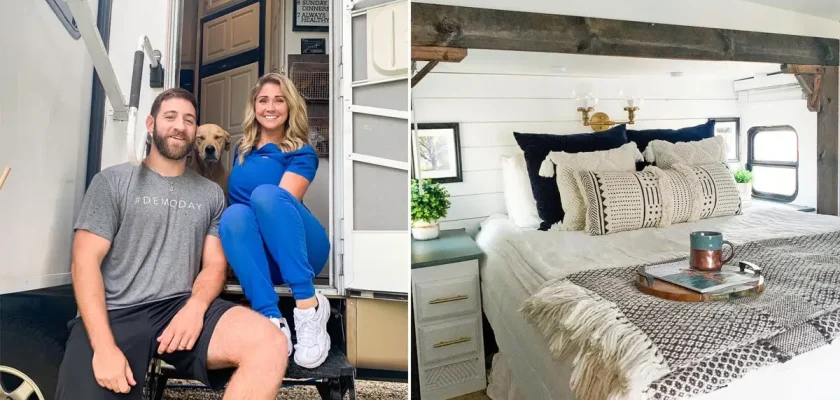
Living full-time in an RV can be one of the most rewarding experiences for a family. The freedom to explore new places, wake up to different views, and live at your own pace brings a sense of adventure that few lifestyles can match. But beneath all the excitement, there’s also the challenge of keeping a sense of structure, especially when kids are involved. Over time, I’ve discovered that maintaining family routines on the road is less about strict schedules and more about balance, flexibility, and consistency in the things that matter most.
Start the Day with Purpose
Morning sets the tone for everything that follows. I’ve learned that starting the day with intention helps everyone stay grounded, no matter where we’re parked. Our mornings begin with a simple routine that blends calm and preparation. I wake up a bit earlier than the kids, make coffee, and spend a few minutes outside soaking in the quiet before the day begins. Once everyone’s awake, we have breakfast together, talk about the day’s plan, and assign small tasks.
This small ritual keeps mornings from feeling rushed or chaotic. Even though the scenery changes often, the rhythm stays the same, and that familiarity gives everyone a sense of security. It’s not about a perfect routine, it’s about setting the right mood for the day ahead.
Designate Spaces for Specific Activities
An RV may be compact, but that doesn’t mean it can’t have structure. I’ve found that assigning certain areas for certain tasks helps maintain order. The dinette becomes our workspace for school or remote work during the day. The kitchen area is reserved for meals and snacks, and the outdoor setup becomes our play and relaxation zone.
This helps prevent the common RV problem of “stuff everywhere.” It also gives everyone visual cues for what’s happening and when. The kids know that once the table is cleared, it’s school time. After lunch, we might shift to outdoor activities, giving the day a natural rhythm. Even small boundaries make a big difference in how organized life feels inside such a small space.
Stick to Mealtime Routines
It’s easy to let meal schedules slide when you’re traveling, but keeping regular meal times gives structure to the day. Breakfast, lunch, and dinner serve as anchor points, moments where everyone gathers, reconnects, and takes a break from whatever’s going on.
I plan simple but balanced meals that can be prepared quickly. Having a rotating menu helps take the pressure off, especially on driving days. We try to eat around the same times each day, even if it means pulling over to have lunch at a rest area. That consistency not only keeps everyone fed but also signals a comforting sense of normalcy.
Balance Work, School, and Travel
One of the biggest challenges of RV life is blending productivity with travel. For families that homeschool or work remotely, it takes discipline to maintain focus. I make it a point to schedule our driving days around school and work hours. If we’re on the road in the morning, we use the afternoon for lessons and assignments.
We’ve also learned to be realistic about what can get done. Some days, lessons happen outside on a picnic table; other days, they’re shorter because we’re in transit. The key is consistency, not perfection. As long as we’re engaging daily and meeting goals over time, it all evens out.
Build in Quiet Time
In a small space, downtime is essential. Everyone needs a moment of peace to reset, especially after a busy day of exploring. I make sure that each person has at least one quiet period a day, whether it’s reading, listening to music, or just relaxing in their own corner.
This helps prevent burnout and tension that can build up when everyone’s together 24/7. For younger kids, it doubles as nap time, while for older ones, it’s a moment to unwind. Quiet time keeps the energy in the RV balanced and gives parents a much-needed breather too.
Keep a Consistent Sleep Schedule
Nighttime routines are the glue that holds RV life together. It’s tempting to stay up late, especially when campfires and starlit skies call your name, but I’ve found that maintaining a steady bedtime keeps everyone healthier and happier.
We try to wind down around the same time each night, no matter where we are. The kids change into pajamas, brush their teeth, and we all spend a few minutes talking about the day’s highlights. A familiar routine helps signal that it’s time to rest, even if the environment feels new. Good sleep is what keeps the next day running smoothly.
Plan for Downtime Between Adventures
RV life naturally lends itself to adventure, but constant movement can wear everyone out. I make sure we build downtime into our travel schedule, days where we don’t drive or plan anything major. These slower days are for catching up on chores, doing laundry, or just lounging outside the RV.
It’s during these pauses that we regain our rhythm. The kids might play nearby while I catch up on work or tidy up. Slowing down helps everyone recharge and enjoy the next leg of the trip with renewed energy.
Simplify Chores and Keep Everyone Involved
Chores don’t disappear on the road; they just look different. The trick is to make them part of the daily flow instead of a big, dreaded event. I assign each family member small, manageable tasks, sweeping the floor, washing dishes, or tidying up the sleeping area.
We make it a team effort, often doing a quick cleanup after meals or before heading out. Keeping the RV neat isn’t just about cleanliness; it’s about keeping the space functional and pleasant to live in. With everyone pitching in, the work never feels overwhelming.
Stay Connected to Nature and the Outdoors
One of the biggest advantages of RV life is access to nature. Incorporating the outdoors into our daily routine brings calm and balance. We make it a goal to spend time outside every day, whether it’s a morning walk, an afternoon hike, or simply eating dinner under the awning.
Fresh air has a grounding effect, and it’s a great way for kids to release energy. The change of scenery also prevents cabin fever, which can happen after too many hours inside the RV. The more time we spend outdoors, the more refreshed everyone feels.
Use Technology Wisely
Technology is a blessing and a challenge on the road. Between online work, homeschooling apps, and entertainment, screens are everywhere. We’ve made it a habit to set limits so that tech use doesn’t consume the day.
We establish “no screen zones” during meals and family activities. That keeps conversations lively and helps everyone stay present. After designated screen times, we put devices away to focus on games, reading, or exploring. Managing technology intentionally has kept our family more connected and mindful.
Make Laundry and Cleaning Part of the Routine
Household tasks can pile up quickly in a small space, so I’ve learned to incorporate them into our schedule like any other activity. Laundry day happens once a week, usually when we’re near a campground with facilities. Cleaning is broken down into small daily tasks, a quick wipe-down after meals, sweeping every evening, and emptying trash before bed.
By keeping these routines consistent, the RV never feels cluttered or overwhelming. It also teaches the kids responsibility, as they understand that shared spaces require shared effort.
Stay Flexible but Consistent
Consistency provides stability, but too much rigidity can take the joy out of RV living. I’ve found that the balance lies in having a flexible structure, routines that give direction but also allow for spontaneous changes.
If we find a beautiful trail or local event, we adjust the day around it. Flexibility prevents burnout and keeps the experience exciting. As long as the basics like meals, sleep, and downtime remain steady, the rest can flow naturally.
Keep Track of the Week
Days can blur together when traveling, so I use a whiteboard or small planner to keep track of the week. It lists our travel days, chores, school assignments, and fun plans. This helps everyone know what’s ahead and provides a visual rhythm to follow.
It also makes transitions easier. The kids can see when we’re moving to a new campground or when their school projects are due. Having that simple visual cue gives structure to an otherwise fluid lifestyle.
Make Time for Family Traditions
Even on the road, family traditions matter. Whether it’s movie night on Fridays, pancake breakfasts on Sundays, or storytelling around the campfire, these rituals become emotional anchors. They remind us that home isn’t a building, it’s the routines and moments we share together.
We make sure to celebrate birthdays and holidays no matter where we are. Sometimes that means decorating the RV with string lights or baking cupcakes in a small convection oven. These traditions create lasting memories and give everyone something familiar to look forward to.
Prioritize Connection Over Perfection
RV life can easily become a juggling act of plans, schedules, and logistics, but what truly matters is the connection within the family. I’ve realized that the best routines aren’t about doing things perfectly, they’re about creating stability that allows space for connection.
Taking a few minutes each day to talk, laugh, or play together matters more than any schedule. Routines work best when they support family well-being, not control it. That mindset has kept us grounded even through long drives and unpredictable weather.
Conclusion
Living in an RV teaches you that routines don’t have to look traditional to be effective. They can bend, stretch, and adjust to the rhythm of the road. The goal isn’t to replicate life in a stationary home but to build habits that bring comfort and balance wherever you go.
With consistent mornings, shared chores, outdoor time, and family rituals, the days flow naturally, structured enough to feel stable, yet flexible enough to embrace adventure. Life on the road may be unpredictable, but with the right routines, it becomes not just manageable but deeply fulfilling.
The beauty of RV living lies in finding that harmony between freedom and structure, a life where you can chase sunsets and still feel at home wherever you park.


