
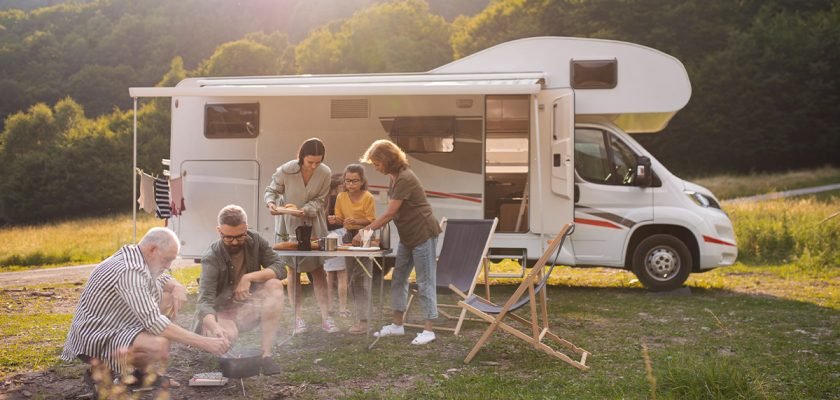
Baking in an RV oven can be one of those rewarding experiences that brings a little bit of home comfort to life on the road. The smell of freshly baked bread, muffins, or a warm casserole drifting through a cozy RV is hard to beat. Yet, the challenge comes from those tiny, unevenly heated ovens that can turn a batch of cookies into burnt disks or leave the center of a cake undone. I’ve learned through trial, error, and a few near-disasters how to bake successfully in an RV oven, and these lessons can help anyone enjoy homemade treats on the go.
Understanding Your RV Oven
Most RV ovens, whether propane or electric, are smaller and less insulated than standard home ovens. This difference means they lose heat faster, have more hot spots, and often bake unevenly. One of the first things I did was get to know my oven by testing its temperature accuracy. An oven thermometer is a must-have. I set mine inside and realized it often ran 25 to 50 degrees cooler than the dial indicated. Once I knew that, I could adjust my recipes accordingly.
Many RV ovens also have a strong heat source at the bottom, leading to scorched bottoms and undercooked tops. The trick is learning how your specific oven behaves and compensating for it. No two RV ovens are exactly alike, so the first step to success is understanding its quirks through observation and testing.
Using the Right Cookware
The type of pans you use can make or break your baking experience. I found that dark metal pans tend to absorb too much heat, leading to burnt edges, while lighter-colored or aluminum pans distribute heat more evenly. I also switched to smaller bakeware since large pans block airflow and cook unevenly in compact ovens.
Silicone baking mats or parchment paper can prevent sticking and help distribute heat better. I sometimes use a baking stone or even an inverted pizza stone placed on the bottom rack to balance out the heat. This creates a barrier that prevents direct flame or heat from scorching the bottoms of baked goods.
Adjusting Cooking Times and Temperatures
RV ovens usually require a bit of tweaking to get recipes right. Lowering the temperature by about 25 degrees and extending the baking time slightly helps prevent burning while ensuring the inside cooks through. I also make a habit of rotating my pan halfway through the baking time. This step alone has saved countless meals.
If I’m baking something delicate, like a cake or soufflé, I place an aluminum foil tent over the top once it starts browning. It prevents the top from overcooking before the center sets. Being patient and checking progress often without opening the oven door too much is key to consistent results.
Maximizing Heat Distribution
Because RV ovens are notorious for uneven heating, I use several tricks to keep the temperature consistent. A pizza stone, as mentioned earlier, helps spread heat evenly across the oven floor. Some RV owners also use unglazed ceramic tiles as a cheaper alternative.
I also make sure not to overcrowd the oven. Leaving room for air to circulate around the pans is crucial for even baking. If you stack trays or fill every inch of space, you’ll trap heat in odd places and end up with inconsistent results.
Monitoring Temperature Accurately
An oven thermometer is one of the most valuable tools I have in my RV kitchen. I keep it inside at all times to make sure I’m baking at the correct temperature. Even a small difference can affect results dramatically. For example, cookies baked at 325°F instead of 350°F can spread differently, and bread may not rise as expected.
Some RVers upgrade to digital thermometers that alert them if the temperature dips too low. It’s worth considering if you bake often. The consistency of temperature is what makes baked goods turn out just right, so this small investment pays off in saved ingredients and better meals.
Preheating Properly
Preheating an RV oven takes longer than in a household one, and skipping this step often leads to disappointment. I’ve learned to give it at least 15 to 20 minutes to reach the desired temperature. This ensures the heat has time to stabilize, reducing sudden temperature swings once food goes in.
I also check the oven thermometer before baking to confirm it’s at the correct level. If the temperature fluctuates, I wait until it holds steady for a few minutes. This simple patience results in evenly cooked, golden-brown food instead of underdone centers and burnt edges.
Managing Limited Space
Space in an RV kitchen is always tight, so staying organized helps the baking process go smoothly. I keep my baking essentials like flour, sugar, and baking powder in airtight, stackable containers. This not only saves space but also keeps ingredients fresh longer.
For mixing bowls and utensils, I prefer collapsible silicone versions. They take up minimal space and are lightweight. Having a designated baking area, even a small one, helps me stay efficient. I can pull everything out, bake, and pack up quickly without feeling cluttered.
Cleaning and Maintenance
Baking can make a mess, especially in tight quarters. I’ve found it’s best to line the oven floor with a sheet of aluminum foil to catch any drips or crumbs. This makes cleanup easier and prevents lingering odors.
Regular maintenance is also important. If the oven has a propane flame, I check the burner periodically to make sure it’s burning evenly with a steady blue flame. Any yellow or orange flames can signal incomplete combustion or a need for cleaning. A dirty oven burns unevenly and may affect food flavor, so keeping it clean ensures reliable performance.
Experimenting with Recipes
Baking in an RV oven isn’t just about adapting old recipes; it’s also about discovering new ones that work better in smaller, hotter spaces. I love making banana bread, muffins, and casseroles because they tolerate slight variations in temperature well.
For recipes that require precision, like macarons or sponge cakes, I tend to avoid them on the road since RV ovens can be unpredictable. Instead, I lean toward rustic, forgiving recipes that deliver comfort and flavor without the stress of exact timing. The joy of RV baking is about improvisation and embracing imperfections.
Using Alternative Baking Methods
Sometimes, I skip the oven altogether. Countertop appliances like toaster ovens, air fryers, and slow cookers can do wonders for baking. My compact air fryer, for example, handles small batches of cookies and biscuits perfectly, and it heats up faster than the RV oven.
Dutch ovens are another great alternative. Placed over a campfire or portable grill, they produce excellent breads, cobblers, and casseroles. They also eliminate worries about uneven RV oven temperatures. Having options like these makes baking on the road more flexible and fun.
Managing Moisture and Humidity
Because RV kitchens can be small and enclosed, humidity often becomes an issue. Moisture can affect the texture of baked goods, especially crisp ones like cookies or crusty bread. I keep a small dehumidifier or moisture absorber near the kitchen area to help control it.
Storing baked items properly is also crucial. I let them cool completely before sealing them in containers to avoid condensation. Nothing’s worse than opening a cookie jar to find soggy treats, and proper storage makes a big difference.
Energy Efficiency While Baking
Propane and electricity are valuable resources on the road, so I try to bake efficiently. I often batch bake to make full use of the preheated oven, cooking several items in succession while the heat remains steady. It saves both fuel and time.
If the weather’s warm, I plan my baking early in the morning or late in the evening to keep the RV cooler. Running the oven during peak heat can make the living space uncomfortable. Efficiency in timing, temperature, and portioning goes a long way toward a better RV baking experience.
Common Mistakes to Avoid
I’ve made my fair share of baking blunders in my RV, and most of them come from rushing the process. One common mistake is overcrowding the oven, which restricts airflow and leads to uneven baking. Another is skipping preheating or ignoring the oven thermometer, resulting in poor texture or undercooked centers.
Using dark pans without adjusting temperature can also cause issues. I once baked muffins that looked perfect on top but were charred underneath. Lining the pan or using lighter bakeware fixed that quickly. Taking time to adapt and observe how your oven reacts saves a lot of frustration.
Bringing the Comforts of Home on the Road
Baking in an RV is about more than just food, it’s about creating comfort and joy while traveling. There’s something deeply satisfying about enjoying a homemade loaf of bread or a batch of brownies surrounded by nature. It’s a simple pleasure that connects the warmth of home with the freedom of the road.
Over time, I’ve realized that baking in an RV isn’t about perfection. It’s about adjusting, experimenting, and enjoying the process. Each batch teaches something new about timing, temperature, and patience. The results might not always look like they came from a professional bakery, but they’re made with care, and that’s what truly matters.
Final Thoughts
Mastering how to bake in an RV oven without fails takes patience, creativity, and a willingness to experiment. Once you understand your oven’s quirks, select the right cookware, and make smart temperature adjustments, baking on the road becomes second nature. The aroma of fresh-baked treats adds warmth and comfort to any adventure, turning your RV into a true home away from home.
With a few clever tools, a sense of curiosity, and a pinch of perseverance, you’ll soon find that RV baking is one of the most rewarding parts of travel life. Whether it’s muffins for breakfast, a pizza for dinner, or cookies shared around the campfire, baking on the road is proof that great food and great adventures can go hand in hand.


