
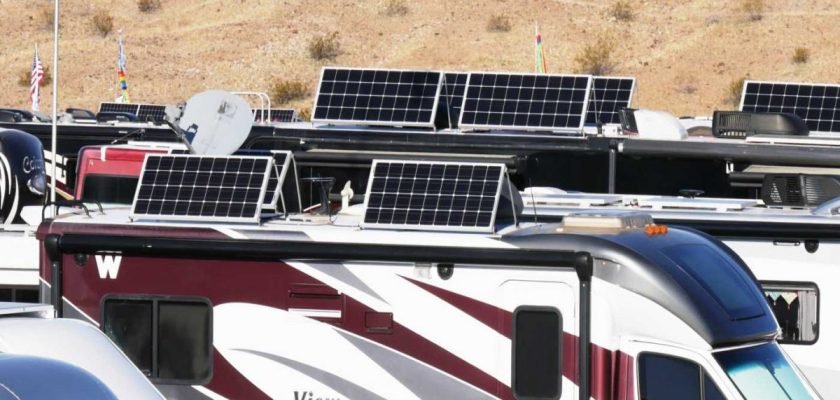
Energy independence has become one of the best parts of modern RV living. I used to plan every trip around electrical hookups, worried about running out of power halfway through a weekend in the mountains. That all changed once I started using solar panels. Now, I can park almost anywhere, knowing the sun will take care of my energy needs. As more families hit the road, 2025 has brought some incredible upgrades in solar technology, making it easier and more affordable than ever to power an RV efficiently and sustainably.
Why Solar Power Is Essential for RV Travelers
One of the biggest perks of traveling by RV is the freedom it provides. You can wake up by a lake, drive through desert highways, or spend the night in a forest without relying on traditional campgrounds. But this kind of independence requires power, lots of it. From running the fridge and lights to charging phones and tablets, energy is always in demand.
Relying on a generator might seem convenient, but it can be noisy, require fuel, and disturb the peace of nature. Solar power, on the other hand, is quiet, renewable, and self-sufficient. Once your panels are installed, the sun does the rest. That’s why many RV travelers, including families like mine, are investing in solar setups. It’s not just about saving money, it’s about being self-reliant.
What Makes Solar Panels in 2025 Different
Technology has evolved quickly in the last few years, and solar panels today are far more efficient than what we had even five years ago. Modern panels are lightweight, more compact, and produce higher wattage in less space. Some flexible panels can even bend slightly to fit curved RV roofs, while others are built into portable folding kits that you can move around to capture the most sunlight.
Another key upgrade in 2025 is smart monitoring. New solar systems come with apps that allow you to track power generation and battery levels right from your phone. You can see how much energy your panels are producing in real time and adjust your usage accordingly. These small innovations make solar power not just efficient but user-friendly for anyone, even first-time RV owners.
Fixed Panels vs. Portable Panels
One of the first decisions you’ll make is whether to install fixed or portable panels. I’ve used both types, and each has its advantages depending on your travel style.
Fixed panels are installed permanently on the roof of your RV. They’re great for travelers who move often and don’t want the hassle of setting up equipment at every stop. Once mounted, they charge your batteries automatically whenever sunlight hits them. They’re reliable and low-maintenance but can be harder to adjust for maximum sun exposure if your RV is parked in a shaded area.
Portable panels, on the other hand, can be moved around to face the sun directly. They’re ideal for people who like flexibility or camp under trees. You can set them on the ground a few feet away from your rig and reposition them throughout the day. The downside is that they require more setup time and storage space, but they’re perfect for maximizing efficiency.
The Best Solar Panels for RVs in 2025
After testing and researching the latest releases, I’ve narrowed down some of the best solar panels available this year. Each offers something different, so your choice will depend on your specific needs, budget, and travel style.
Renogy 400W Solar Starter Kit
Renogy has long been one of the most trusted names in RV solar technology. Their 400W Solar Starter Kit remains a favorite because it’s easy to install, affordable, and highly efficient. The kit includes four 100W monocrystalline panels, a charge controller, and all the necessary cables and mounting hardware. It’s a complete setup for beginners or families who want to power their essentials like lighting, refrigeration, and small appliances.
I like how Renogy designs its systems with beginners in mind. The instructions are clear, and the company offers great customer support. Plus, their panels hold up well under harsh conditions, from desert heat to mountain cold.
Jackery SolarSaga 200W Panels and Explorer Power Station
For those who prefer a portable power setup, Jackery’s SolarSaga panels paired with their Explorer Power Station are an excellent choice. I’ve used this combination for quick weekend getaways, and it’s perfect for families who don’t want to install anything permanently. The foldable panels are lightweight, easy to carry, and quick to deploy. They plug directly into the power station, which stores enough energy to run small appliances, charge electronics, or even power a coffee maker.
In 2025, Jackery improved their solar efficiency and battery durability, making this setup even more appealing for people who value flexibility and convenience.
EcoFlow 220W Bifacial Portable Solar Panel
EcoFlow has been pushing innovation hard, and their bifacial panels are a great example of that. Unlike traditional panels that only collect sunlight from one side, these capture reflected light from the ground as well, increasing overall output by up to 25 percent. They’re sleek, waterproof, and extremely efficient. Paired with the EcoFlow Delta Pro power station, they can power almost anything in your RV.
I love these for long boondocking trips. You can unfold them in minutes, and the power generation is impressive even in cloudy conditions. They’re more expensive than standard panels, but the performance justifies the price for serious RV travelers.
Zamp Solar 230W Deluxe Roof Mount Kit
If you prefer an American-made option, Zamp Solar continues to set the bar high. Their 230W Deluxe Roof Mount Kit is designed specifically for RVs and comes pre-wired for easy installation. The company uses high-quality monocrystalline cells with excellent durability and efficiency. These panels can withstand heavy rain, snow, and high winds, making them perfect for full-time RV families.
One thing I appreciate about Zamp is how well their products integrate with RV systems. Many newer RVs come pre-wired for Zamp, so the installation can take as little as an hour.
BougeRV 200W Monocrystalline Solar Panel
BougeRV is an up-and-coming brand that offers great value. Their 200W monocrystalline panel is efficient, compact, and durable, making it ideal for smaller RVs or van conversions. It’s built with anti-reflective tempered glass, meaning it can handle rough weather and resist scratches. Despite its rugged build, it’s lightweight and easy to mount. It’s also compatible with most charge controllers, which makes it versatile for DIY setups.
I’ve used BougeRV panels on smaller rigs, and they perform surprisingly well for their price range. If you’re looking to experiment with solar power without investing too much upfront, this is a solid choice.
Key Accessories for an Efficient Solar Setup
Solar panels alone won’t get the job done, you need the right accessories to store and regulate the power they generate. A few key components make all the difference in performance and longevity.
Charge Controller
The charge controller is essential for preventing your batteries from overcharging. It regulates the voltage coming from the solar panels, ensuring your system runs smoothly. I recommend using an MPPT (Maximum Power Point Tracking) controller for better efficiency. They’re slightly more expensive than PWM controllers but extract more energy from your panels.
Inverter
Since most RV appliances run on AC power and solar panels produce DC electricity, an inverter converts that energy. For families that rely on electronics and kitchen gadgets, a pure sine wave inverter is the best choice because it provides clean, stable power without damaging sensitive devices.
Battery Bank
Your batteries store the energy generated during the day for nighttime use. Lithium-ion batteries have become the go-to option in 2025 because they’re lighter, more efficient, and longer-lasting than traditional lead-acid ones. Although they’re pricier, their performance and lifespan make them worth the investment.
Monitoring System
Modern monitoring systems give you control over your power usage. You can track how much energy your panels are generating, how much is stored in your batteries, and how much your appliances are consuming. It’s a simple but effective way to ensure you never run out of power unexpectedly.
Tips for Maximizing Solar Efficiency
Even the best panels need proper setup and care to perform well. I’ve learned a few tricks over the years to get the most out of my solar setup. Parking angle matters more than most people think. Try to position your RV so that the panels face south in the Northern Hemisphere for optimal sunlight. Keeping them clean is also essential, dust, bird droppings, or pollen can significantly reduce output. A quick wipe every few days can make a big difference.
Another tip is to minimize energy waste inside your RV. LED lights, energy-efficient appliances, and mindful use of electronics all help conserve power. I also recommend checking your system connections periodically to ensure no wires are loose or corroded. Small maintenance habits keep your setup running smoothly for years.
How Much Power You Really Need
Before buying solar panels, it’s important to calculate your power needs. This helps determine how many panels and batteries you should get. Start by listing all your appliances, fridge, lights, TV, coffee maker, water pump, and any other devices, and note their wattage. Multiply each by the number of hours you use them daily, then add everything up. That gives you your total daily power consumption.
For most RV families, a system that generates between 300 to 600 watts is sufficient for basic needs. If you use air conditioning or high-power appliances, you may need more. Knowing your numbers ahead of time prevents you from buying too little, or overspending on unnecessary capacity.
Solar Power and Sustainability
Beyond convenience, switching to solar is a small but meaningful step toward protecting the environment. Every watt you produce from sunlight reduces your reliance on fossil fuels and cuts emissions. I’ve noticed how much quieter and cleaner my travels have become since going solar. No more generator fumes, no more fuel runs, just the quiet hum of nature. It’s a lifestyle change that feels rewarding on every level.
Cost and Long-Term Value
The upfront cost of a solar system can seem steep, but it pays off over time. In 2025, solar panels are more affordable than ever, and many states even offer tax incentives or rebates for renewable energy adoption. Once installed, the maintenance costs are minimal. You’ll save on campground fees, fuel, and generator repairs. Over several years, solar energy practically pays for itself.
I like to think of it as an investment in freedom. Instead of being tied to electrical hookups, I can travel wherever I want without worrying about power access. The return isn’t just financial, it’s the priceless ability to explore with peace of mind.
Final Thoughts
Going solar has completely transformed how I experience RV life. The advancements in technology have made it easier, smarter, and more efficient than ever before. Whether you’re a weekend camper or a full-time traveler, investing in quality solar panels can give you the independence to enjoy the road your way. In 2025, the best solar panels for RVs are not just about energy, they’re about embracing a lifestyle of freedom, sustainability, and adventure.


