
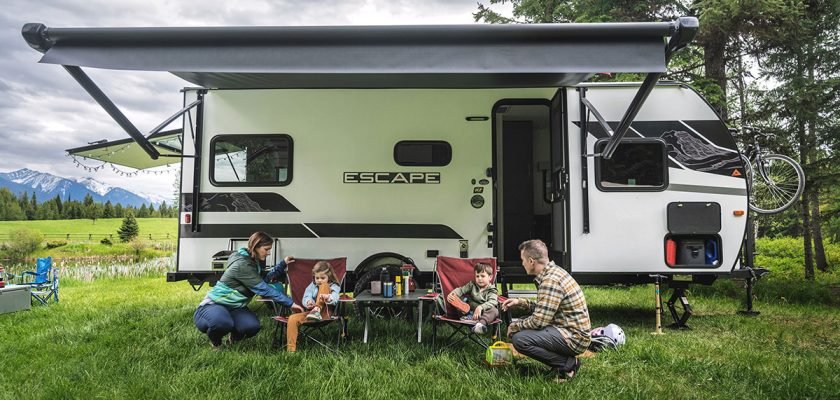
Traveling in an RV can be one of the most rewarding ways to explore the world, but it also requires preparation for the unexpected. Emergencies can happen anywhere and at any time, from mechanical breakdowns to medical issues or severe weather. Over the years of RV travel, I’ve learned that the best defense against panic is preparation. Knowing what to do, what to carry, and how to respond can make the difference between a temporary setback and a major disaster.
Building an Emergency Plan
Before every trip, I make sure to have a clear emergency plan. This starts with mapping out my route and noting nearby hospitals, repair shops, and gas stations along the way. I also share my travel itinerary with family or a close friend so someone knows where I’m headed and when to expect updates.
It’s also important to have a communication plan. Mobile service can be spotty in remote areas, so I carry a CB radio or satellite phone as a backup. These devices can be a lifesaver if you’re stranded without a signal. Another step I take is programming emergency contacts into my phone under ICE (In Case of Emergency) so that first responders can easily find them.
Stocking a Comprehensive Emergency Kit
No road trip is complete without a well-stocked emergency kit. I always check mine before leaving for a new destination. It includes first aid supplies like bandages, antiseptic wipes, adhesive tape, scissors, and basic over-the-counter medications. I also add personal prescriptions in clearly labeled containers.
Beyond medical items, I carry jumper cables, a tire pressure gauge, duct tape, a flashlight with extra batteries, and a toolkit for minor repairs. Roadside flares and reflective vests are a must for visibility at night. I also keep bottled water, non-perishable snacks, and a small camping stove in case I need to wait for assistance for an extended period.
For cold-weather trips, I pack blankets, extra clothing, and a small shovel. In hotter climates, I carry sunscreen, electrolyte packs, and wide-brimmed hats. Tailoring your kit to the environment can make a huge difference in your comfort and safety.
Dealing with RV Breakdowns
Mechanical failures are among the most common emergencies for RV travelers. I’ve learned to stay calm and methodical whenever this happens. The first step is always to pull over safely, away from traffic. Turning on hazard lights immediately alerts other drivers that you’re having an issue.
Once safely parked, I assess the situation. If it’s something simple like a flat tire or blown fuse, I might handle it myself. But if the issue is beyond my skill set, I contact roadside assistance. I always keep my RV insurance and roadside service information easily accessible for quick reference.
While waiting for help, I stay inside the RV if it’s safe, especially at night or in unfamiliar areas. I lock the doors and only open them for verified assistance personnel. Having a flashlight and basic tools ready helps ensure that I’m prepared for quick fixes if needed.
Managing Medical Emergencies
Medical issues can arise unexpectedly, especially during long road trips. Before leaving home, I ensure everyone in the family has updated medical information, including allergies and medication lists. I also locate urgent care centers and hospitals along the route using a reliable map app.
In case of minor injuries, my first aid kit often handles cuts, bruises, or mild burns. For serious emergencies, I contact emergency services immediately by dialing 911 or the local equivalent if traveling abroad.
If we’re in a remote area with no cell signal, I use my CB radio or satellite phone to reach help. I also encourage everyone traveling with me to learn basic first aid and CPR. Having more than one person trained can be crucial during stressful moments.
Handling Severe Weather
Storms, floods, and high winds can quickly turn a pleasant road trip into a hazardous situation. I always check weather forecasts before departure and throughout the journey. If severe weather is predicted, I either delay the trip or find a secure place to park the RV.
During a storm, I avoid parking under trees or near power lines that might fall. If high winds hit, I lower the RV’s stabilizers and close all windows and vents to prevent damage. I also make sure everyone inside stays away from windows until the weather clears.
After a storm, I inspect the RV for leaks or exterior damage before continuing the journey. Staying cautious and patient often saves me from larger repair bills or injuries.
Staying Safe After an Accident
Accidents can happen no matter how careful we are. If I’m involved in one, I prioritize safety first. I move the RV to a safe location if possible and turn on hazard lights. I check for injuries and call emergency services if anyone is hurt.
Taking photos of the scene and gathering witness information helps with insurance claims later. I also avoid admitting fault or making assumptions about the cause until the authorities arrive.
Once everyone is safe and the situation is under control, I contact my insurance provider to report the incident. Having a clear, calm attitude helps make the process smoother.
Protecting Against Fire Hazards
RV fires are rare but serious. I keep at least two fire extinguishers on board, one in the kitchen area and one near the driver’s seat. I check them regularly to ensure they’re charged and ready for use.
Cooking inside the RV requires special care. I never leave the stove unattended, and I make sure the ventilation is working properly. Gas leaks can also pose a major risk, so I regularly inspect propane lines and fittings for wear or cracks.
In the event of a fire, my priority is getting everyone out safely. I have a designated meeting spot a few feet away from the RV and never attempt to retrieve belongings once outside.
Preventing Theft and Break-Ins
Safety on the road isn’t just about accidents or weather, it’s also about security. I make it a habit to lock all doors and windows whenever I leave the RV, even for a short time. Parking in well-lit areas with other travelers nearby helps deter potential thieves.
I avoid advertising travel plans on social media in real time, which could make my RV a target while I’m away. Instead, I share updates after moving to a new location. For extra protection, I use a steering wheel lock and install a security camera system that alerts me through my phone.
Simple precautions like these go a long way in keeping my family and belongings safe while exploring new places.
Preparing for Tire Blowouts
A tire blowout can be terrifying, especially at high speeds. I check my tires before every trip, ensuring proper pressure and looking for cracks or uneven wear. Underinflated tires generate heat faster, which increases the risk of failure.
If a blowout happens, I grip the steering wheel firmly, avoid slamming the brakes, and allow the RV to slow down gradually. Once stopped, I use reflective cones or triangles to alert other drivers while I change the tire or wait for roadside assistance.
Carrying a portable air compressor and a reliable jack makes handling minor tire issues much easier on long trips.
Knowing How to Use Emergency Signals
Good communication during emergencies can prevent further danger. I keep reflective triangles, LED flares, and a bright vest in an easily accessible spot. If I have to stop on a highway, I place the triangles several feet behind the RV to alert oncoming traffic.
I also use hazard lights strategically, especially at night or in poor visibility conditions. These small precautions improve my visibility and help other drivers react safely.
Managing Emotional Stress During Emergencies
Handling emergencies is not only about logistics but also about maintaining composure. Panic can cloud judgment and lead to poor decisions. I practice staying calm by taking a few deep breaths and focusing on the steps I can control.
If traveling with kids, I keep them informed but calm. Having a small bag of snacks, water, and entertainment helps distract them while I deal with the situation. After the emergency, I take time to rest and recover before continuing the journey.
Staying Connected to Emergency Services
Modern technology makes it easier to stay safe while traveling. I keep important apps on my phone that show nearby hospitals, police stations, and repair centers. Many of these apps work offline, which is vital in rural areas.
I also subscribe to roadside assistance programs designed specifically for RVs. These services often include towing, tire changes, and even mobile mechanics who come directly to you. Having that peace of mind allows me to travel farther without worrying about getting stranded.
Reviewing Safety Procedures Regularly
Preparation doesn’t stop after one trip. I make it a routine to review my emergency procedures before each new adventure. This includes checking the expiration dates on first aid supplies, testing smoke and carbon monoxide detectors, and ensuring that all family members know how to use emergency equipment.
By making safety a part of my travel routine, I reduce the likelihood of being caught off guard and ensure that my family can handle unexpected situations with confidence.
Conclusion
Handling emergencies on the road is about being proactive rather than reactive. Preparation, awareness, and calm decision-making can transform a potential crisis into a manageable inconvenience. By planning ahead, maintaining essential equipment, and practicing clear communication, I can enjoy my RV adventures with confidence, knowing that my family and I are ready for anything the road might bring.


