
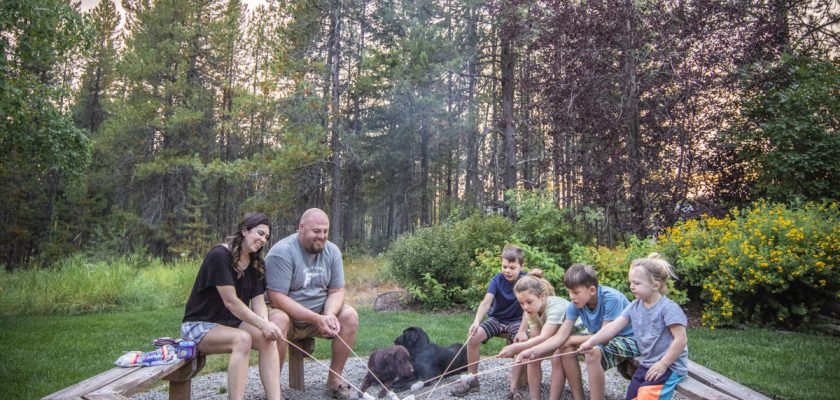
Planning a family RV trip is one of those experiences that feels both thrilling and intimidating at the same time. On one hand, it’s the promise of open roads, cozy campfire nights, and exploring new places together. On the other, it’s the financial side, figuring out how much to spend, where to save, and how to make sure the fun doesn’t drain your wallet halfway through the journey. Over time, I’ve learned that budgeting for an RV trip doesn’t have to be complicated. It just takes a bit of foresight, organization, and knowing where your money truly goes.
Setting a Realistic Trip Budget
The first step to budgeting effectively for a family RV trip is setting a clear, realistic budget from the start. I like to begin by identifying how long the trip will be and roughly where we’re headed. A week-long getaway close to home looks very different from a month-long road trip across several states. Once I have that framework, I break down costs into categories, fuel, food, campground fees, activities, and a small emergency fund.
Setting a spending cap for each category helps me see where I might need to cut back or adjust. For example, if gas prices are high, I’ll plan for shorter driving days or stay longer at each destination. The goal isn’t to restrict fun, but to make sure every dollar has a purpose before it’s spent.
Calculating Fuel Costs
Fuel is one of the biggest expenses on any RV trip, especially with fluctuating gas prices. Before heading out, I calculate my RV’s average miles per gallon and use a fuel cost calculator online to estimate the total expense based on the planned route. I usually round up to account for unexpected detours or idling during long breaks.
It also helps to use apps that locate the cheapest fuel stations along the route. Even saving 10 or 15 cents per gallon can make a big difference over hundreds of miles. I also avoid driving too fast, keeping a steady speed can significantly improve fuel efficiency.
Estimating Campground and Overnight Costs
Campgrounds vary widely in cost, depending on amenities and location. I’ve stayed at budget-friendly state parks for $20 a night and luxury RV resorts that charged over $100. To keep expenses under control, I mix things up, splitting time between affordable campgrounds and the occasional splurge at a full-service site.
Another trick is to take advantage of membership discounts. Organizations like Good Sam, Passport America, or Harvest Hosts can cut nightly costs dramatically. Some boondocking spots are even free if you don’t mind giving up hookups for a night or two. The key is to plan ahead and make reservations early, especially during peak travel seasons when rates can rise quickly.
Planning Food and Groceries
Food can either be one of the biggest money savers or one of the biggest budget busters, depending on how it’s managed. I prefer to prepare most of our meals in the RV, which not only saves money but also adds to the whole camping experience. Before the trip, I plan a menu that includes easy-to-store, versatile ingredients, like pasta, rice, beans, and proteins that can be grilled or cooked quickly.
To avoid impulse spending, I shop for groceries before leaving and top up at local markets along the way. Eating out is reserved for special occasions or local specialties that make the trip memorable. A good rule of thumb is to allocate about 20% of the food budget for restaurants or treats and keep the rest for cooking in the RV.
Accounting for Activities and Entertainment
Family RV trips are meant for fun, and that means budgeting for activities. Whether it’s kayaking, renting bikes, visiting national parks, or exploring small-town museums, these experiences add depth to the journey. I always research attractions ahead of time and check for free or low-cost options. National park passes, for instance, offer excellent value if you plan to visit multiple parks in one year.
Some of our best memories have come from free activities, hiking scenic trails, attending local festivals, or watching sunsets by the lake. Building these kinds of adventures into the itinerary keeps costs low without sacrificing enjoyment.
Maintenance and Emergency Funds
No one likes to think about things going wrong, but on the road, it’s wise to expect the unexpected. Setting aside a small emergency fund for mechanical repairs, medical needs, or other surprises can save a lot of stress later. I usually allocate about 10% of the total trip budget for this category.
Before any long trip, I also get the RV inspected, checking brakes, tires, oil, and appliances, to minimize the risk of breakdowns. Regular maintenance may cost a bit upfront, but it prevents much bigger expenses down the line.
Budgeting for RV Supplies and Gear
It’s easy to overlook the smaller purchases that add up during a trip, propane refills, RV toilet chemicals, campsite accessories, and outdoor gear. I make a checklist of essentials and estimate costs before leaving. Some supplies can be bought in bulk or refilled to reduce waste and cost.
For families new to RVing, it’s tempting to buy every gadget on the market, but it’s better to start simple. Over time, you’ll figure out what’s truly useful and what ends up collecting dust in the storage bin.
Tracking Expenses on the Road
Even with a solid plan, tracking expenses in real-time keeps everything under control. I like to use an app or a small notebook to record daily spending. That way, I can adjust quickly if one category starts to go over budget. For instance, if fuel costs end up higher than expected, I’ll balance it out by cooking more meals in the RV or spending an extra night at a free campsite.
It’s surprising how small savings add up. A few dollars saved each day can easily cover an extra night on the road or a fun family outing later in the trip.
Finding Deals and Discounts
Traveling smart means taking advantage of available discounts. From gas station loyalty programs to national park passes, there are countless ways to cut costs without cutting corners. I often check travel forums and apps for promo codes or seasonal deals. If you travel frequently, investing in memberships like KOA Rewards or AAA can pay off within a few trips.
Another useful tactic is traveling during the shoulder seasons, spring and fall, when campground fees are lower and crowds thinner. Not only is it cheaper, but it also makes for a more peaceful experience.
Managing Unexpected Expenses
No matter how carefully you plan, unexpected costs always find a way in. I remember one trip where a simple flat tire turned into an entire afternoon and a few hundred dollars at a roadside service shop. Experiences like that taught me to build flexibility into the budget. A good strategy is to set aside 10–15% of the total budget as a buffer.
If nothing goes wrong, that money can be redirected toward something fun, like a surprise day trip or a special dinner to celebrate the journey.
Teaching Kids About Budgeting on the Road
One of the hidden benefits of budgeting for a family RV trip is the opportunity to involve kids in the process. I let them help decide how to spend part of the entertainment budget or track small expenses like souvenirs or ice cream stops. It turns into a fun lesson about money management and helps them appreciate the value of the trip even more.
By giving them a small allowance for personal spending, they learn to prioritize what they really want. It also prevents constant “Can we buy this?” moments at every gift shop.
Balancing Comfort and Cost
Budgeting isn’t just about saving money, it’s about finding the right balance between comfort and practicality. I always ask myself which upgrades are worth paying for and which ones I can skip. A campsite with full hookups might be worth it on a hot week, while a dry camping spot is perfect for mild nights and starry skies.
Sometimes, spending a bit more enhances the experience, like staying closer to a national park instead of driving an extra hour each day. The key is to spend intentionally, not impulsively.
Saving for Future Trips
Even after the RV is parked back home, I keep the budgeting mindset going. I review what we spent, what worked, and where we could save next time. This reflection helps fine-tune future trips and makes long-term travel goals more achievable.
Some families like to create a dedicated RV savings fund, setting aside a small amount each month for the next big adventure. It makes planning easier and ensures the next trip is always on the horizon.
Enjoying the Journey Within Your Means
A well-planned budget doesn’t restrict your fun, it actually enhances it. Knowing that the essentials are covered allows you to relax and focus on the experience. Whether you’re parked by a mountain lake, grilling dinner under the stars, or sharing stories around the campfire, the best parts of RV travel don’t depend on money.
What matters most is the freedom, flexibility, and time spent together as a family. By budgeting wisely, you give yourself the peace of mind to enjoy the road ahead, wherever it leads.
Conclusion
Learning how to budget for a family RV trip is one of the most empowering parts of RV life. It turns what could be a stressful financial guessing game into a well-managed adventure that stays within your means. From fuel and food to fun and flexibility, a thoughtful plan ensures that every mile is both affordable and enjoyable. The more trips you take, the easier it becomes to fine-tune the process. In the end, budgeting isn’t about limiting your journey, it’s about giving your family the freedom to travel farther, stay longer, and savor every moment along the way.


