
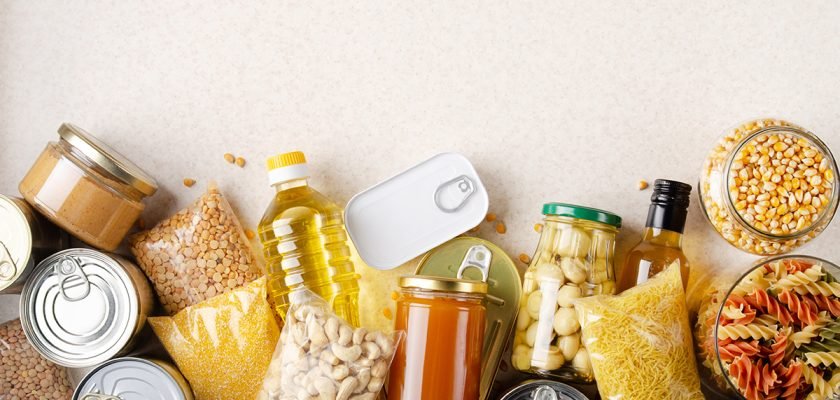
Space in an RV kitchen can feel like a puzzle. Between dry goods, snacks, spices, and canned foods, things can get cluttered quickly. A well-organized pantry makes a huge difference, especially when traveling long distances or living in your RV full-time. Over the years, I’ve learned that organizing an RV pantry isn’t about having a huge amount of space, it’s about using what you have wisely. Here’s how I keep my pantry tidy, functional, and easy to maintain on the road.
Use Containers That Fit Your Space
The first step to organizing an RV pantry like a pro is choosing the right containers. Not all containers work in tight spaces, so I measure my shelves and pick storage bins that fit snugly without wasting space. Stackable clear bins are my go-to because I can see exactly what’s inside. For items like pasta, rice, or cereal, I use airtight containers that keep food fresh and pest-free.
I’ve found that uniform shapes, like square or rectangular containers, make better use of limited space than round ones. I also like using narrow baskets to group similar items such as breakfast foods or baking supplies. This makes it easy to grab everything I need in one go without rummaging around.
Label Everything Clearly
Labels might seem unnecessary, but they save a lot of time and frustration. I use simple adhesive labels or a label maker to mark each container. Having labels helps everyone in the RV know where things belong, which keeps the pantry organized even after a busy day.
For example, I have bins labeled “Snacks,” “Breakfast,” “Condiments,” and “Canned Goods.” It also helps when restocking after a grocery trip since I know exactly where to put everything back. If I ever change what’s inside a container, I replace the label so it stays accurate.
Use Vertical Space Efficiently
In an RV pantry, vertical space is just as valuable as shelf space. I use tiered shelf risers to keep cans and jars visible, which prevents me from forgetting what’s in the back. Hanging baskets or small wire racks also help add extra levels for smaller items like spices or snack bars.
Magnetic strips can be attached to the inside of cabinet doors to hold metal spice jars or small knives. I’ve even installed lightweight hooks on the inside of the pantry door to hang measuring spoons or small bags of herbs. Making use of vertical space keeps everything within reach without crowding the shelves.
Group Similar Items Together
Organizing by category helps maintain order even after long road trips. I like to group foods by type or use. All breakfast foods go in one bin, canned goods in another, and dry baking ingredients together. This method saves time when cooking because I know exactly where to look.
I also create a small section for “quick grab” items such as trail mix, granola bars, or peanut butter, perfect for road snacks or hikes. Grouping items prevents clutter and makes it easier to take inventory before heading out for a trip.
Keep Heavy Items Low and Light Items High
Safety is key in an RV pantry. I store heavier items like canned foods, jars, and drinks on the lower shelves to prevent them from falling or shifting during travel. Lighter items, such as paper goods or snacks, go on higher shelves.
This method not only prevents accidents but also helps balance the weight inside the RV. Even distribution keeps things stable on the road. I’ve learned that keeping the heaviest items secured at the bottom prevents a lot of mid-drive clattering.
Secure Items for Travel
No one wants to open the pantry door after a long drive and find everything on the floor. Before hitting the road, I make sure all items are properly secured. I use non-slip shelf liners to prevent containers from sliding. Some RV owners use tension rods at the edge of shelves to hold items in place, which works great for taller jars and bottles.
Elastic bungee cords can also be used to keep bins secure. The idea is to make sure everything stays put even on bumpy roads. I once had a jar of honey fall and make a sticky mess, after that, I never skip the travel prep step.
Use Door Storage to Maximize Space
The inside of a pantry or cabinet door offers valuable unused space. I attach small organizers to the door to hold spices, condiments, and even snack-size bags. Over-the-door hanging racks are lightweight and easy to install, giving me more room without taking up shelf space.
This trick is especially helpful in smaller RV kitchens where space is limited. It keeps frequently used items within reach and leaves the main shelves open for larger containers and dry goods.
Rotate Food Regularly
Pantry organization isn’t just about tidiness; it’s also about efficiency. I always rotate food items so that older ones get used first. When I restock, I place new groceries at the back and move older ones to the front. This prevents food waste and helps me keep track of expiration dates.
I also take a few minutes every week to check for expired or stale items. It’s a simple habit that keeps the pantry fresh and clutter-free. Plus, it helps me plan meals around what needs to be used soon.
Invest in Collapsible and Space-Saving Containers
RV kitchens don’t have much extra room, so I use collapsible containers whenever possible. Silicone bowls, measuring cups, and storage containers that fold flat save a surprising amount of space. I also use resealable bags for dry goods like nuts and grains since they take up less room than hard containers.
Another great option is nesting containers that fit inside one another. I love using these for leftovers since they can shrink down after use, freeing up space for other items.
Create a Pantry Inventory List
A small inventory list helps me stay organized and avoid overbuying. I keep a notepad or small whiteboard inside the pantry door where I jot down what I have and what I need. Before grocery shopping, I can quickly check what’s running low.
This system works especially well during long camping trips when grocery stores might be far away. It also helps me plan meals more efficiently because I know exactly what ingredients I have on hand.
Store Perishables Separately
Not all foods belong in the pantry, especially perishable ones. However, in a small RV, fridge and freezer space is limited. I store potatoes, onions, and garlic in ventilated bins away from direct sunlight. Fruits that don’t require refrigeration, like apples or oranges, stay in hanging mesh bags to save counter space.
For longer trips, I plan meals around fresh ingredients early in the week, saving pantry staples for later. This reduces waste and keeps meals balanced between fresh and non-perishable foods.
Use Lazy Susans and Drawer Inserts
Lazy Susans are a game changer for deep shelves. They make it easy to access jars, sauces, and condiments that would otherwise get lost in the back. Drawer inserts also keep smaller items like spice packets or tea bags from becoming a jumbled mess.
I like using compact turntables for oil bottles and sauces, it keeps things tidy and saves me from having to dig around. Drawer inserts keep utensils and smaller pantry tools organized too.
Label Expiration Dates Clearly
Even with rotation, expiration dates can sneak up. To avoid surprises, I label each container with the expiration date in bold marker. For foods I repackage, like rice or beans, I cut out the original label and tape it to the container.
This habit helps me stay on top of what needs to be used first and prevents food waste. It also makes meal planning faster because I can easily spot what’s nearing its end date.
Keep Snacks Kid-Friendly and Accessible
If you travel with children, keeping snacks organized is a must. I dedicate one low shelf or basket for kid-friendly items such as crackers, granola bars, and fruit cups. This allows kids to grab their own snacks without making a mess of the pantry.
It also keeps the rest of the pantry organized since they aren’t digging through other bins. I’ve found that portioning snacks into small bags or containers helps control mess and makes it easy to grab snacks for hikes or car rides.
Maintain Regular Cleaning Habits
A clean pantry stays organized longer. I make it a habit to wipe down shelves and containers at least once a month. RVs can attract crumbs and moisture, so keeping the pantry dry and clean helps prevent pests and mold.
I also air out the pantry occasionally to prevent stale smells. It’s amazing how a simple cleaning routine keeps the kitchen feeling fresh and functional even after weeks on the road.
Make the Most of Every Inch
The best RV pantry setups are personalized to fit the family’s habits. Whether it’s installing an extra shelf, hanging a small spice rack, or using under-shelf baskets, every inch counts. I adjust my pantry setup depending on the trip, more canned goods for long boondocking trips, and lighter items for shorter getaways.
Flexibility is key. The more adaptable your setup, the easier it is to keep things organized no matter where the road leads.
Conclusion
Organizing an RV pantry like a pro isn’t about having perfect shelves or fancy containers, it’s about creating a space that works for your lifestyle. By using smart storage solutions, grouping items logically, and keeping everything labeled and secure, life on the road becomes a lot smoother. Cooking and meal prep feel less like a chore, and you spend more time enjoying your travels. A tidy pantry keeps the entire RV kitchen running efficiently and makes every trip that much more enjoyable.


