
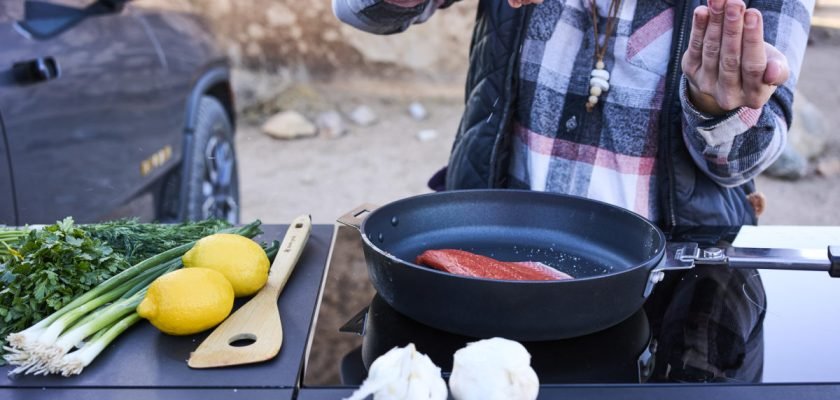
Meal prepping for RV travel can completely change the way I experience life on the road. Having ready-to-go meals allows me to spend more time enjoying the outdoors and less time stuck inside the RV kitchen. With limited space, smaller appliances, and a fridge that’s often half the size of the one at home, meal prep has to be strategic and organized. Over the years, I’ve learned that with the right approach, I can enjoy home-cooked meals for an entire week without stress or waste.
Planning Ahead for Efficiency
Before I start chopping vegetables or firing up the stove, I take time to plan my meals for the week. I like to think through what each day will look like, whether we’re hiking, driving long stretches, or spending a lazy day at the campground. Meals that require quick reheating or minimal cleanup are my go-to choices on travel-heavy days, while more involved recipes are saved for when I have extra time to cook.
I usually plan for three meals a day plus snacks, making sure to balance nutrition and taste. Breakfast burritos, pasta salads, chili, and grilled chicken are staples on my list because they can be made in bulk and stored easily. I also consider ingredients that overlap across multiple dishes. For example, if I’m buying bell peppers for fajitas, I can also use them in omelets or sandwiches.
Having a detailed shopping list keeps me from overbuying and helps me fit everything neatly into the RV pantry and fridge. I prefer to list ingredients by category, produce, dry goods, dairy, and meats, so grocery runs are faster and less stressful.
Organizing the RV Kitchen
A small RV kitchen requires a different kind of organization than a home kitchen. I start by clearing out anything that isn’t essential. Space is valuable, so I make sure to bring only the cookware and tools I’ll actually use. Stackable containers, collapsible strainers, and silicone storage bags save a lot of space and make cleanup easier.
I dedicate specific drawers and shelves for dry goods, spices, and snacks. Labeling containers helps everyone in the family know where things go, and it prevents clutter. I also keep a small cooler accessible during travel days for items that need to stay chilled, like fruits, cheeses, or prepped salads.
Batch Cooking Before the Trip
One of my favorite parts of meal prep is doing most of the cooking before we even leave home. I usually set aside a full day or two before departure to cook several dishes in bulk. Chili, shredded chicken, taco meat, rice, and pasta sauces are easy to prepare ahead of time and freeze in portion-sized containers.
Batch cooking lets me take advantage of my full-sized kitchen at home, where I can use multiple burners and my oven at once. I portion everything into airtight containers and label them with the meal name and date. Once frozen, these can be transferred directly to the RV freezer. By the time we’re ready to eat, they just need reheating on the stove or in the microwave.
Packing Food for Travel
Packing food efficiently is one of the biggest challenges in meal prepping for an RV trip. I try to balance perishable and non-perishable items so that nothing goes to waste. The bottom of the fridge holds proteins and cooked meals, while produce and dairy stay on the upper shelves where the temperature is more stable.
Dry goods such as pasta, rice, cereal, and canned foods are stored in airtight containers or bins. I make sure to fill any empty space with small snacks or condiments to prevent shifting during travel. I’ve learned that even small bumps on the road can cause chaos in the kitchen if things aren’t packed securely.
Prepping Ingredients for Quick Meals
Even if I don’t cook everything in advance, I always prep ingredients. I chop vegetables, marinate meats, and pre-cook grains like quinoa or rice. This makes assembling meals much faster later in the week.
I love using zip-top bags or reusable containers for prepped ingredients. Each one gets labeled with the meal name and day I plan to use it. For example, Monday’s fajita veggies go into one bag, while Wednesday’s salad mix is prewashed and stored separately. By the time I’m ready to cook, everything is ready to go with minimal effort.
Smart Meal Rotation
Rotating meals keeps things interesting and prevents boredom, especially for kids. I like to alternate between cold meals and hot ones, light meals and hearty dishes. For example, a chilled pasta salad one day followed by grilled chicken with rice the next. This balance also helps manage fridge space because I don’t have to reheat everything daily.
To make meal rotation work, I label each container with the meal name and day of the week. This way, I can easily find what I need without rummaging through everything. It also ensures that older meals get eaten first.
Easy Breakfast Ideas
Breakfast sets the tone for the day, and I prefer options that are quick yet filling. Overnight oats are a personal favorite. I prepare them in small mason jars using rolled oats, yogurt, milk, and toppings like fruits or nuts. These stay fresh for several days and can be eaten cold or warmed up.
Another breakfast staple in my RV is breakfast burritos. I scramble eggs, add cooked sausage, cheese, and veggies, then wrap everything in tortillas and freeze them individually. Reheating them in the microwave or skillet is quick, and they make great on-the-go meals for travel days.
Pancake or waffle batter can also be pre-mixed and stored in a pourable container. All I have to do is heat the griddle and cook them fresh. If I make extra, I store them in the fridge for the next morning.
Simple Lunch Options
Lunches are usually light and easy. I rely on sandwiches, wraps, and grain bowls that don’t take long to prepare. Chicken Caesar wraps and turkey sandwiches are great for hot days when I don’t want to cook much.
For a more filling meal, I love quinoa or pasta salads. These can be made ahead of time and stored in the fridge for up to five days. I toss in vegetables, beans, cheese, and a simple vinaigrette. They taste even better after sitting overnight because the flavors blend together.
Soups are also an underrated lunch option. I make large batches of vegetable or chicken soup before the trip and freeze them in individual portions. By lunchtime, I just reheat them and pair them with crusty bread.
Dinner Recipes That Travel Well
Dinner is my time to unwind after a long day outdoors. I focus on meals that are hearty but simple. Pre-cooked meats like grilled chicken or ground beef can be used in several ways, tacos, stir-fries, or pasta dishes.
One of my go-to dinners is one-pot chili. I make it before the trip, freeze it, and reheat it in a single pot on the stove. I sometimes add fresh toppings like chopped onions or cheese to make it feel freshly made.
Another easy dinner is foil packet meals. I assemble these ahead of time with meat, vegetables, and seasonings sealed in foil. On camping nights, I just toss them on the grill or over the fire. Cleanup is minimal, and everyone can customize their packet.
Snack Prep for the Road
Snacks are lifesavers on the road, especially with kids. I like to prepare both healthy and indulgent options. Trail mix, granola bars, fruit slices, and cheese cubes are easy to pack. I also make my own energy bites with oats, peanut butter, and honey, they store well in the fridge for several days.
For longer drives, I portion snacks into small containers or bags so everyone can grab their own without creating a mess. It also helps me control portions and keep the RV tidy.
Managing Leftovers
No matter how well I plan, leftovers always happen. I make sure to store them properly in airtight containers and label them with the date. Most cooked foods last about three to four days in the fridge, but I try to use them within two days for safety and freshness.
Leftovers can easily become new meals. Leftover grilled chicken turns into chicken salad wraps, while extra rice becomes the base for fried rice or burrito bowls. Getting creative with leftovers helps stretch food further and reduces waste.
Food Safety Tips
Maintaining food safety in an RV is crucial since the storage space is limited. I always double-check that the fridge temperature stays below 40°F and the freezer below 0°F. Using a small thermometer helps me monitor these levels.
I also pay attention to how I store raw and cooked foods. Raw meats are sealed tightly and kept on the bottom shelf to avoid cross-contamination. Any prepped vegetables or ready-to-eat foods are stored higher up.
Washing hands, utensils, and surfaces often is non-negotiable, especially after handling raw ingredients. Cleanliness ensures that no one ends up sick during the trip.
Making Cleanup Easier
After-meal cleanup can be tiring, especially when water supply is limited. To make it easier, I line pans with foil or use disposable parchment sheets. I also wipe down plates before washing to save on water.
Using biodegradable soap and minimal water also helps the environment. I like to keep a small basin outside the RV for rinsing dishes when the weather is nice. It keeps the mess out of the RV and conserves grey water space.
Staying Flexible on the Road
Meal prep makes RV travel smoother, but flexibility is still important. Unexpected detours or weather changes might alter plans, so I keep backup meals like canned soup, ramen, or instant rice. They come in handy on nights when cooking feels like too much work.
Sometimes we’ll stumble upon a local farmers market or roadside stand, and I’ll swap a planned meal for something fresh from the area. Being able to adapt makes the trip more enjoyable and adds variety to our meals.
Final Thoughts
Meal prepping for a week of RV travel isn’t just about saving time, it’s about creating more space to enjoy the adventure. By planning ahead, organizing the kitchen, and preparing smart meals, I can relax knowing that good food is always ready no matter where we park. It also helps me stay within budget and avoid constant grocery stops.
Over time, I’ve found a rhythm that works for my family. It’s about being prepared but also leaving room for spontaneity. With thoughtful meal prep, the road feels a little more like home, and each meal becomes part of the journey itself.


