
Driving an RV gives you the freedom to explore new places at your own pace, but the cost of fuel can quickly add up, especially on long trips. With fuel prices fluctuating and the size of most RVs making them less efficient than standard vehicles, improving fuel economy becomes an important part of responsible and enjoyable travel. Over the years, I’ve learned that small changes in how you drive, maintain your RV, and plan your trips can lead to significant savings at the pump.
Fuel efficiency in an RV isn’t just about saving money, it’s about getting the most out of your adventure. The less you spend on gas, the more you can allocate to experiences, campsites, and upgrades. It’s also a matter of sustainability, reducing your carbon footprint while exploring the outdoors you love. Let’s dive into practical ways to stretch each gallon further without compromising your comfort or freedom on the road.
Maintain Proper Tire Pressure
One of the easiest and most overlooked ways to improve fuel efficiency is maintaining the correct tire pressure. Underinflated tires create more rolling resistance, meaning your engine must work harder to move the RV. That extra effort directly translates into wasted fuel.
I make it a habit to check my tire pressure before every trip and during extended journeys. Tire pressure can fluctuate with changes in temperature and altitude, so frequent checks are important. Using a quality tire gauge and following the manufacturer’s recommended pressure levels ensures that the tires perform at their best.
Properly inflated tires also last longer and improve handling, making driving safer and more comfortable. Some RVers install tire pressure monitoring systems that display real-time readings, saving guesswork and potential trouble on the road.
Reduce Unnecessary Weight
Weight plays a major role in fuel economy. The heavier your RV, the harder the engine has to work to move it. I’ve learned that packing light isn’t just about convenience, it’s about efficiency.
Before each trip, I take time to assess what’s truly necessary. Extra tools, duplicate gear, and overstocked food supplies can all add unnecessary weight. Removing unused items, draining excess water from holding tanks when not needed, and traveling with minimal cargo can make a noticeable difference.
Even small reductions in weight can improve fuel efficiency. Think of it like hiking with a lighter backpack, you can go farther and feel less strain. It’s the same for your RV’s engine.
Drive at a Steady, Moderate Speed
Speed has one of the biggest impacts on fuel consumption. Driving faster might get you to your destination sooner, but it also burns significantly more fuel. I’ve found that maintaining a steady speed between 55 and 65 miles per hour offers the best balance between travel time and fuel efficiency for most RVs.
Cruise control is an excellent tool for long highway stretches, helping you maintain a constant speed and avoid unnecessary acceleration. Rapid acceleration and braking waste fuel, so smooth driving pays off. By anticipating traffic and keeping a steady pace, you not only improve fuel economy but also reduce wear on your engine and brakes.
The added benefit of driving slower is that you have more time to enjoy the scenery. It turns the journey itself into part of the adventure rather than a race to the next stop.
Keep Your Engine Tuned and Serviced
Regular maintenance is the foundation of fuel efficiency. An engine that’s not properly tuned or has clogged filters can waste a surprising amount of fuel. I follow a strict maintenance schedule, ensuring that oil changes, air filter replacements, and spark plug inspections are done on time.
A clean air filter allows the engine to breathe properly, while clean oil reduces internal friction. Replacing worn spark plugs ensures efficient combustion. Even small issues like a malfunctioning oxygen sensor can drop fuel efficiency by several miles per gallon.
Keeping your RV’s engine in peak condition not only improves gas mileage but also reduces the risk of breakdowns. Nothing spoils a trip faster than being stranded due to neglected maintenance.
Plan Efficient Routes
Fuel efficiency isn’t only about what happens under the hood. Planning your route wisely can save both fuel and time. Before hitting the road, I map out my route using apps that track terrain, traffic, and road conditions. Avoiding congested areas, steep inclines, and excessive detours makes a significant difference.
I also group destinations logically to minimize unnecessary driving. If two campsites are close to each other, it makes sense to visit them sequentially rather than crisscrossing long distances. Simple route optimization saves fuel and gives you more time to relax at your stops.
Traveling during off-peak hours helps you maintain steady speeds without frequent braking or idling in traffic. I’ve noticed that early morning or late evening drives often result in smoother, more efficient travel.
Limit Idling and Generator Use
Idling might seem harmless, but it consumes fuel without moving you an inch. Whether you’re waiting in a parking lot or at a rest stop, shutting off the engine when not in motion conserves gas. Many RVers underestimate how much idling can affect overall fuel usage, especially on long road trips.
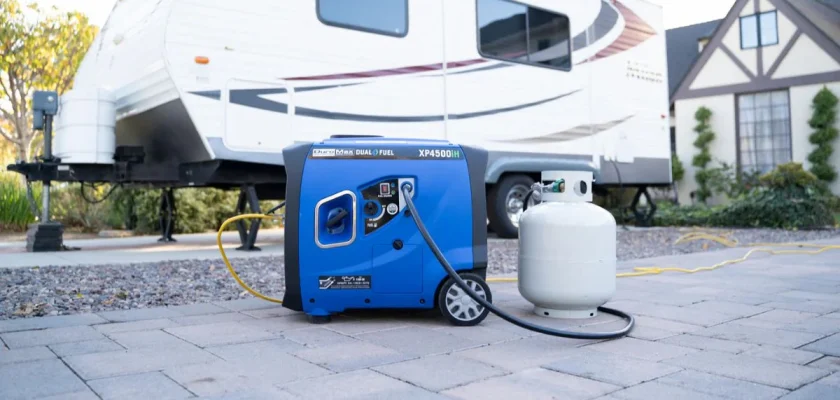
Similarly, the RV’s generator can use a lot of fuel when running continuously. I plan my power needs ahead of time to minimize unnecessary generator use. Relying on solar panels, battery banks, or campground power hookups helps conserve fuel and creates a quieter, more peaceful environment.
Improve Aerodynamics
RVs aren’t known for their aerodynamic design, but small adjustments can reduce drag and improve fuel economy. I avoid roof clutter as much as possible, since roof boxes, bikes, and kayaks all increase wind resistance. When I must carry items on the roof, I position them to create minimal drag and secure them tightly.
Even simple actions like closing awnings, securing windows, and ensuring slide-outs are retracted before driving can make a noticeable difference. Some RV owners install wind deflectors or air dams to redirect airflow over the vehicle more smoothly. While these upgrades might seem minor, they add up over thousands of miles.
Driving with windows closed on the highway also helps maintain better aerodynamics. Using air conditioning sparingly, especially at high speeds, reduces strain on the engine and conserves fuel.
Use Quality Fuel and Additives
Fuel quality can influence your RV’s performance and efficiency. I always choose reputable gas stations to ensure the fuel is clean and uncontaminated. Occasionally, I use fuel additives designed to clean injectors and improve combustion efficiency, especially before long trips.
While additives aren’t a substitute for maintenance, they help keep the fuel system in top condition. Clean injectors promote complete fuel burning, which translates to better mileage and smoother performance.
Balance and Align Your Tires
Wheel alignment affects more than just handling, it also impacts fuel efficiency. Misaligned wheels cause uneven tire wear and increase rolling resistance. I schedule regular alignment checks, particularly after long trips or rough road conditions.
Balanced tires ensure smoother rides, reducing the strain on both suspension and engine power. The smoother your RV rolls, the less energy it needs to maintain momentum.
Use Cruise Control Wisely
Cruise control helps maintain steady speeds, but it should be used thoughtfully. On flat highways, it’s excellent for conserving fuel. However, on hilly or winding terrain, cruise control can cause the engine to overwork while trying to maintain speed uphill. I prefer controlling the throttle manually in such conditions to prevent unnecessary fuel burn.
By adapting driving techniques to the terrain, you can make better use of the engine’s natural power curve and avoid over-revving. Smooth transitions between acceleration and deceleration keep fuel use steady.
Optimize Your RV’s Load Distribution
Proper weight distribution affects both handling and fuel efficiency. Unevenly distributed weight makes the RV harder to control and forces the engine to work harder. I always ensure heavier items are stored low and centered, maintaining balance across the axles.
Balanced loads improve traction, reduce strain on tires, and allow smoother driving. This not only enhances safety but also improves mileage, especially on long journeys where stability is key.
Maintain a Clean Exterior and Engine
It may sound surprising, but even dirt buildup on the exterior can slightly affect aerodynamics. I make sure to wash my RV regularly, especially before long drives. A clean exterior allows air to flow more smoothly across the surface.
Under the hood, cleanliness matters just as much. Dust and debris can restrict airflow to the engine and clog filters. Keeping the engine bay clean ensures better heat management and reduces the risk of performance issues.
Travel Light on Water and Waste Tanks
Water is heavy, each gallon adds over eight pounds to your load. Traveling with full fresh water and waste tanks when you don’t need them reduces fuel efficiency. I usually fill my fresh water tank only partially if I know I’ll have access to water hookups at my next stop.
Similarly, I empty the gray and black water tanks before long drives whenever possible. The weight difference may not seem huge, but across hundreds of miles, it contributes to noticeable fuel savings.
Use Technology to Monitor Fuel Efficiency
Modern RVs and aftermarket devices can track fuel consumption in real time. I use a trip computer that connects to the vehicle’s OBD-II port to monitor efficiency and adjust driving habits. Seeing real-time data helps identify patterns, such as how speed or terrain affects fuel usage, and allows for more mindful driving.
Some smartphone apps also calculate fuel costs and mileage trends, helping you plan more efficiently. Tracking your average miles per gallon over time keeps you accountable and aware of how your habits impact performance.
Upgrade to LED Lighting and Efficient Appliances
Reducing electrical load indirectly helps conserve fuel, especially when using a generator or alternator for power. I’ve replaced all interior lights with LEDs, which consume far less energy than traditional bulbs.
Energy-efficient appliances like modern refrigerators and fans also draw less power, reducing strain on the RV’s electrical system. While the savings may seem small, they add up over time and make your overall setup more eco-friendly.
Avoid Roof Air Conditioners When Possible
Roof-mounted air conditioners consume significant power and increase aerodynamic drag. On mild days, I prefer using vent fans and window shades to regulate temperature instead of running the AC. Parking in shaded areas or using reflective windshield covers also helps keep the RV cooler naturally.
For hotter climates, I sometimes use portable fans powered by solar or battery banks. These small adjustments help minimize fuel consumption and keep comfort levels high without over-relying on energy-intensive systems.
Conclusion
Improving your RV’s fuel efficiency is about being mindful of how you drive, maintain, and equip your home on wheels. It’s a combination of smart planning, good habits, and regular maintenance. Checking tire pressure, reducing weight, driving smoothly, and maintaining the engine are the cornerstones of efficient travel.
Technology can help, but consistency matters most. Small changes, like adjusting your speed or optimizing routes, make a significant difference over time. You’ll spend less on fuel, travel farther on each tank, and reduce your environmental impact, all while enjoying smoother, more relaxed drives.
By treating fuel efficiency as part of your travel routine rather than an afterthought, you not only save money but also ensure your adventures are sustainable and stress-free. With the right approach, each mile becomes more rewarding, allowing you to focus on what truly matters: the open road, the journey ahead, and the experiences that come with it.


