
Owning an RV is one of the most rewarding experiences for anyone who loves freedom, travel, and adventure. But it also comes with responsibility. To keep that home on wheels running smoothly, regular maintenance is key. I’ve realized that many beginners find RV upkeep intimidating at first, but it doesn’t have to be complicated. With a simple plan, a few essential tools, and consistent care, anyone can handle RV maintenance confidently. I’ve gathered what I’ve learned from years on the road to make the process as straightforward as possible, especially for those who are just starting out.
Start With a Routine Inspection
One of the easiest habits to build as an RV owner is a regular inspection routine. Before every trip, I take time to walk around the RV, checking for anything out of place. I look at the tires for proper inflation, inspect the roof for cracks or worn seals, and make sure all lights work properly. These small checks catch problems before they become serious.
Inside, I do a quick look-over of the appliances, plumbing, and electrical outlets. If something feels off, like a strange noise from the refrigerator or a flickering light, it’s better to fix it early. I’ve learned that preventive checks save money and stress in the long run. Consistency is key; a ten-minute pre-trip inspection can prevent days of frustration on the road.
Tires Deserve Special Attention
Tires are the foundation of any RV, and they need care. I make it a habit to check tire pressure before every trip using a reliable tire gauge. Even a small difference in pressure can affect handling and fuel efficiency. I also check for cracks, uneven wear, and age. Tires typically last five to seven years, but weather and storage conditions can shorten that lifespan.
I use tire covers when parked for long periods to protect them from UV rays, which can cause dry rot. I also keep a torque wrench to ensure the lug nuts are properly tightened. Carrying a quality tire repair kit and a portable air compressor has saved me more than once. Proper tire maintenance isn’t glamorous, but it’s essential for safety and peace of mind.
Monitor Roof and Seals
The roof is one of the most overlooked parts of RV maintenance, yet it’s one of the most important. A small leak can cause major water damage if ignored. I inspect the roof every couple of months, especially after heavy rain or long trips. I look for cracks or gaps around vents, air conditioners, and seams.
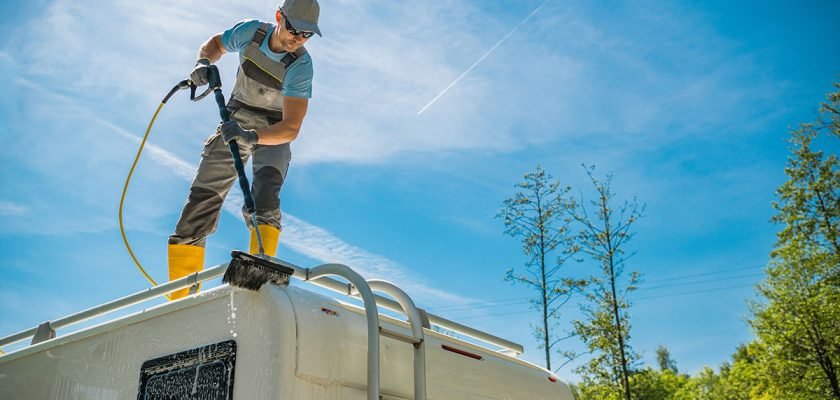
If I spot any, I clean the area and apply a high-quality RV sealant to prevent leaks. I’ve also learned that washing the roof regularly helps prevent grime buildup and makes it easier to notice small issues early. Keeping the roof clean also improves the overall look of the RV and helps the materials last longer.
Maintain the RV Battery
Without a healthy battery, the RV won’t power its systems properly. I check my battery regularly to ensure it’s holding charge and that the terminals are free of corrosion. For lead-acid batteries, I check the water levels and top them off with distilled water if needed.
If the RV sits unused for a while, I disconnect the battery or use a trickle charger to keep it from draining. A dead battery in the middle of nowhere is not a fun experience, so I treat battery maintenance as non-negotiable. I also make sure to clean any corrosion on the terminals with a mix of baking soda and water to keep the connection strong.
Check the Plumbing System
The RV’s plumbing system requires a little attention to stay fresh and functional. I always use RV-safe antifreeze when winterizing the system to prevent frozen pipes. During trips, I flush the fresh water tank regularly to keep it clean and avoid odd tastes or smells.
After draining the black and gray tanks, I always rinse them thoroughly and use the proper tank treatments to prevent buildup and odors. It’s a simple habit that keeps the system working smoothly and makes the bathroom and kitchen far more pleasant to use. I also make sure to inspect all hoses for cracks or leaks before connecting them to campground hookups.
Maintain the Electrical System
The electrical system is the heart of many RV conveniences. I regularly test outlets, lights, and appliances to ensure everything is working as expected. I also carry a multimeter to check power connections and ensure campground hookups are providing safe voltage.
To protect the system, I use a surge protector every time I plug in at a campsite. Power fluctuations can damage sensitive electronics, and I’ve seen enough campers learn that lesson the hard way. I also test the generator monthly and run it under load for at least 30 minutes to keep it in good condition.
Keep the Exterior Clean and Protected
Regular washing and waxing are about more than looks, they protect your RV’s exterior. I use a soft brush and mild soap to wash away dirt and bugs that can damage the finish. After washing, I apply a protective wax or sealant to help guard against UV damage and fading.
I also pay attention to the awning, which can collect mildew and grime if left damp. I let it dry fully before rolling it up, and I clean it with a mix of water and mild detergent. A well-maintained exterior not only looks better but also prevents long-term wear from weather exposure.
Service the HVAC System
The heating and cooling systems in an RV need occasional maintenance to perform efficiently. I clean the filters in the air conditioner regularly and check that the vents are clear. Dust and debris can quickly reduce airflow and strain the unit.
Before the colder months, I inspect the furnace and test it to make sure it’s heating properly. I also keep spare fuses and filters on hand for quick replacements. These systems are crucial for comfort, so keeping them in shape makes every trip smoother.
Watch Over the Propane System
Propane powers many essential appliances like the stove, water heater, and fridge. I check for leaks by applying soapy water to the connections and watching for bubbles. If I see any, I tighten or replace the fittings immediately. I also make sure the propane tanks are properly secured and inspect the hoses for wear or damage.
I store the RV with the propane valves turned off for safety and test the carbon monoxide and propane detectors regularly. A safe propane system not only ensures reliable cooking and heating but also protects the family from potential hazards.
Lubricate Moving Parts
Everything that moves on an RV benefits from occasional lubrication. I keep a can of RV-safe lubricant to use on hinges, slide-outs, and locks. Without lubrication, these parts can squeak, stick, or even break. A little maintenance here goes a long way toward keeping the RV functioning smoothly.
For the slide-outs, I also check the rubber seals and clean them with a conditioner to prevent cracking. This keeps them flexible and ensures a tight seal when closed. It’s one of those small maintenance steps that can prevent expensive repairs down the road.
Monitor Fluids and Engine Health
For motorized RVs, engine care is crucial. I check oil levels, transmission fluid, brake fluid, and coolant before long drives. I also make sure the air filter is clean and the belts and hoses are in good condition. If I’m not comfortable with certain checks, I schedule regular maintenance at a trusted service center.
Even if the RV is towable, it’s important to maintain the tow vehicle with equal care. I inspect the hitch, electrical connections, and brakes before every trip. A reliable tow setup ensures smoother travels and greater confidence on the highway.
Store Your RV the Right Way
Proper storage protects your investment and makes the next trip easier. Before storing my RV, I clean it thoroughly, empty all tanks, and disconnect the battery. I also cover the tires and windows to shield them from sunlight.
If possible, I store the RV under a roof or use a breathable cover that keeps out dust and moisture. Leaving the fridge door open slightly prevents mold and odors from forming inside. I also add a few moisture-absorbing packs to prevent mildew while it’s parked.
Keep Tools and Supplies Handy
Having the right tools on board simplifies maintenance immensely. I keep a small kit that includes a screwdriver set, socket wrench, pliers, duct tape, sealant, fuses, and spare bulbs. A tire gauge, air compressor, and water pressure regulator are also must-haves.
Having these on hand allows me to fix small issues immediately instead of waiting until they turn into emergencies. It’s not about being a mechanic; it’s about being prepared.
Stay Organized With a Maintenance Log
I’ve found that keeping a maintenance log helps track what’s been done and what needs attention next. I record oil changes, inspections, and replacements with dates. This helps prevent overlap or missed tasks. It’s also helpful if I ever sell the RV since it shows the new owner how well it’s been maintained.
Digital apps or a simple notebook both work fine, the key is consistency. Having a clear record saves time and ensures the RV always gets the attention it needs at the right intervals.
Regularly Check Safety Equipment
Safety should never be overlooked. I test smoke detectors, carbon monoxide detectors, and fire extinguishers every few months. If the RV has a propane leak detector, I test it as well. These devices don’t get much thought until they’re needed, but they’re vital for protection on the road.
I also make sure the emergency exit windows function smoothly and that all family members know how to use them. It’s a small step that could make all the difference in a real emergency.
Don’t Neglect the Small Details
Minor details often make a big impact on RV comfort and safety. I periodically check the weatherstripping on doors and windows to ensure they’re sealing properly. This keeps out drafts and pests and helps maintain temperature control.
I also inspect under the RV for any hanging wires, loose bolts, or rust spots. Addressing these early prevents more serious issues later. Over time, these quick inspections become part of the routine and help the RV stay in great shape for years.
Final Thoughts
RV maintenance doesn’t need to be complicated or overwhelming. By breaking it into small, consistent tasks, anyone can keep their RV in great shape without stress. The key is to stay proactive rather than reactive, addressing small issues before they grow into major repairs.
With regular inspections, attention to the basics, and a little organization, maintaining an RV becomes second nature. It’s incredibly rewarding to travel confidently, knowing your rig is road-ready and reliable. Whether it’s a weekend getaway or a cross-country adventure, a well-maintained RV means fewer worries and more time to enjoy the journey.


