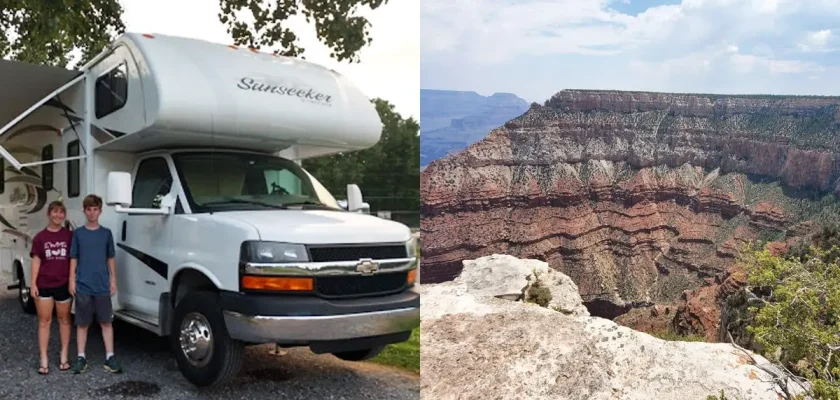
Exploring the Grand Canyon by RV is one of those experiences that stays with you forever. The vastness of the canyon, the way the light changes from sunrise to sunset, and the sheer magnitude of nature’s power can’t really be put into words until you see it for yourself. Traveling by RV makes it even better because you can bring your home along with you. There’s a sense of freedom in pulling up to a scenic overlook, brewing a cup of coffee, and realizing that your backyard view is one of the greatest natural wonders on Earth.
Planning the Perfect Grand Canyon RV Trip
Before heading out, preparation is key. The Grand Canyon isn’t just one location, it’s a massive area divided mainly into the South Rim, North Rim, and the less-visited West Rim. Each offers a different experience, and deciding where to go depends on what kind of trip you want to have. The South Rim is the most accessible and has the most amenities, making it ideal for families or first-time visitors. The North Rim is quieter and more rugged, perfect for those seeking solitude. The West Rim, on Hualapai tribal land, offers unique attractions like the Skywalk.
I found that planning a few months ahead made all the difference. Campsites at the South Rim’s Trailer Village and nearby Mather Campground fill up quickly, especially during peak seasons in spring and fall. The North Rim only opens from mid-May to mid-October, so timing is essential. Booking ahead through the National Park Service website ensures you won’t have to scramble for a spot once you arrive.
If you prefer staying outside the park, the nearby towns of Williams, Tusayan, and Flagstaff offer great options for RV travelers. Williams, known as the “Gateway to the Grand Canyon,” has multiple RV resorts with full hookups and amenities, while Tusayan is just minutes from the South Rim entrance.
What to Expect from the Drive
Driving to the Grand Canyon is an adventure on its own. The long, open roads through Arizona’s desert landscapes are filled with scenic views and occasional wildlife sightings. I recommend checking your RV’s brakes, tires, and water levels before entering the park, as services inside are limited. Fuel up before you arrive, gas inside the park can be more expensive.
If you’re coming from Las Vegas, the drive to the West Rim takes around four hours, while the trip to the South Rim is closer to five. From Phoenix, it’s about a three-and-a-half-hour drive to the South Rim. The roads are well-maintained, but be prepared for winding climbs and occasional strong winds, especially as you approach higher elevations.
Once inside the park, larger RVs can navigate the main roads easily, though parking near overlooks can be tight during peak times. The South Rim offers shuttle services that stop at all major viewpoints, so it’s easy to park your RV and hop on the bus.
Staying in or Near the Park
Camping inside the park offers the most immersive experience. Trailer Village RV Park is the only full-hookup campground within Grand Canyon National Park. It’s conveniently located near the South Rim’s main viewpoints and visitor center, making it easy to explore without driving long distances. I liked waking up early, making breakfast, and taking the short walk to Mather Point before the crowds arrived. The stillness of the canyon in the early morning is unforgettable.
If you prefer a more rustic experience, Mather Campground and Desert View Campground both offer dry camping. You’ll need to manage your own water and waste, but the trade-off is a quieter, more natural setting. Desert View, located on the east side of the park, has incredible sunrise views and fewer crowds.
Outside the park, options like the Grand Canyon Railway RV Park in Williams or the Grand Canyon Camper Village in Tusayan offer full amenities and easy access to nearby restaurants and shops.
Packing for an RV Trip to the Grand Canyon
Packing for the Grand Canyon is about balancing comfort with practicality. The weather can change drastically from day to night. In summer, temperatures can soar into the 90s during the day but drop to the 50s at night. In spring and fall, mornings are cool, and afternoons are warm, making layers your best friend.
I always bring a mix of clothing, light shirts, a warm jacket, a hat, and sturdy shoes for hiking. The dry air can take a toll, so plenty of water, sunscreen, and lip balm are must-haves. Inside the RV, a good set of leveling blocks, extra water storage, and a portable grill make life easier.
For families, small comforts like board games, binoculars, and a camera keep everyone entertained. The Grand Canyon’s night sky is among the darkest in the country, so if you have a telescope, bring it along.
Exploring the South Rim
The South Rim is where most visitors go, and for good reason. It offers some of the most breathtaking views and accessible trails. The Rim Trail is perfect for families since it’s mostly flat and paved, running for thirteen miles along the edge with multiple shuttle stops. You can walk a section, catch a bus back, and see a variety of viewpoints without overexerting yourself.
For a bit more challenge, the Bright Angel Trail takes you down into the canyon. It’s steep, so I usually only go partway before turning back up. Even a short hike gives you a deeper appreciation for the canyon’s scale. There are rest houses along the way where you can stop, rehydrate, and take photos.
The Visitor Center and Yavapai Geology Museum are worth a visit, especially for kids. They explain how the canyon formed and showcase exhibits about the Colorado River and the area’s wildlife.
Experiencing the North Rim
The North Rim feels like an entirely different world. Fewer visitors make it more peaceful, and the pine forests create a cooler, alpine atmosphere. The main viewpoint, Bright Angel Point, offers stunning panoramas and is easily accessible from the visitor center.
Staying at the North Rim Campground gives you incredible views right from your campsite. It’s less developed than the South Rim, but that’s part of its charm. Watching the sun rise over the canyon from this side is something I’ll never forget.
If you enjoy hiking, the North Kaibab Trail provides a chance to descend deep into the canyon, but even short walks along the rim reveal breathtaking scenery. Because the North Rim closes in winter, plan your visit between May and October.
Exploring the West Rim
The West Rim is operated by the Hualapai Tribe and offers a more commercialized but still worthwhile experience. The famous Grand Canyon Skywalk, a glass bridge extending 70 feet over the canyon, provides a thrilling view straight down to the canyon floor.
RV travelers can stay at the nearby Hualapai Ranch or Peach Springs, which provides easy access to the West Rim attractions. Unlike the national park, the West Rim has no federal passes, so you’ll need to purchase a ticket package to enter. It’s best for families who want to experience something different and enjoy guided tours or helicopter rides.
Activities Beyond the Viewpoints
The Grand Canyon offers far more than just sightseeing. Rafting the Colorado River is an unforgettable adventure. While multi-day trips require reservations well in advance, shorter half-day tours are available from nearby operators in Page or Marble Canyon.
Biking is another great way to explore. The Greenway Trail along the South Rim provides safe, paved paths with spectacular views. You can rent bikes near the visitor center or bring your own.
Wildlife watching is also rewarding. Mule deer, elk, and California condors are often seen near the rim, especially in the early morning and late evening. Keeping a pair of binoculars handy makes spotting them even more exciting.
For families, ranger programs are a highlight. Park rangers offer guided walks, stargazing sessions, and educational talks that bring the canyon’s history and ecology to life. The Junior Ranger program is a favorite among kids, they can complete activities, learn about nature, and earn a badge to take home.
Tips for a Smooth RV Experience
The Grand Canyon’s elevation means you might experience cooler temperatures and thinner air, especially if you’re used to lower altitudes. Drink plenty of water and take breaks during hikes.
Electric hookups are limited, so if you’re dry camping, manage your power usage carefully. Solar panels or a quiet generator can be lifesavers. Dump stations are available, but it’s smart to empty your tanks before entering the park if possible.
Food options inside the park are limited to a few restaurants and general stores. Stock up on groceries in Flagstaff or Williams before heading in. Having a well-stocked fridge in the RV saves money and ensures you can cook your favorite meals without relying on park restaurants.
Parking can be tight at popular viewpoints. Arriving early or visiting in the late afternoon helps avoid crowds. The free park shuttles make exploring easier without the stress of finding a parking spot for your RV.
The Best Times to Visit
Spring and fall are the ideal times to explore the Grand Canyon by RV. The weather is mild, the crowds are smaller, and the lighting is perfect for photography. Summer can get busy and hot, especially at the South Rim, while winter brings snow and limited access to some areas.
If you want to experience sunrise or sunset, aim for viewpoints like Yaki Point, Hopi Point, or Desert View Watchtower. The colors change dramatically as the sun moves across the sky, creating scenes that no photo can truly capture.
Why the Grand Canyon is Perfect for RV Travel
Traveling by RV allows you to experience the Grand Canyon on your own schedule. You can wake up to birdsong, make breakfast overlooking the rim, and stay up late watching stars without worrying about hotel check-ins or crowded parking lots. The park’s layout, with well-paved roads and campgrounds for all types of RVs, makes it ideal for both newcomers and experienced travelers.
The flexibility of having your home on wheels means you can stay longer and explore more deeply. You can spend a few days at the South Rim, drive to the North Rim for a completely different perspective, and even stop at the lesser-known Marble Canyon or Vermilion Cliffs along the way.
Conclusion
Exploring the Grand Canyon by RV isn’t just a road trip, it’s an experience that connects you to one of the most awe-inspiring places in the world. The mix of freedom, comfort, and discovery makes it the ultimate adventure for families, couples, or solo travelers. Standing at the edge of the canyon, watching the sun dip below the horizon, you realize how vast and timeless the world really is.
Traveling by RV lets you live in that moment a little longer. You’re not just visiting a national park; you’re making it part of your home for a while. The Grand Canyon reminds you how small you are and yet how grand life can be when you take the time to slow down, explore, and simply look around.


