
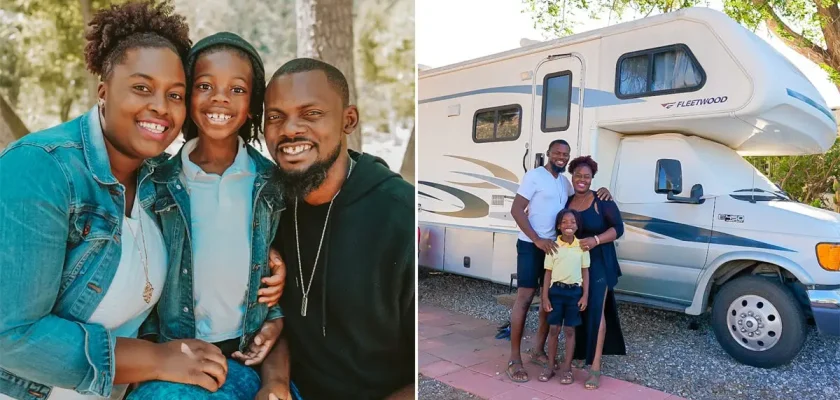
Traveling full-time with kids in an RV is an adventure unlike any other. It’s a blend of exploration, discovery, chaos, and joy that challenges the usual idea of home life. While the open road promises freedom, it also demands patience, adaptability, and a good sense of humor. Over time, I’ve realized that RV living with kids is not about replicating a traditional lifestyle on wheels but crafting one that fits your family’s rhythm and the pace of travel. It’s about balance, finding the sweet spot between structure and spontaneity while nurturing connection through shared experiences.
Preparing for the Journey
Before setting off, I quickly learned that preparation makes all the difference in how smooth life on the road feels. Packing for kids requires thought beyond the basics. Clothes should be practical, easy to wash, and versatile enough for changing weather. Toys and books need to be limited but meaningful, things that engage the imagination without cluttering the small space.
Each child has a small storage bin for personal items. This helps keep the RV organized and teaches responsibility early on. I also keep an emergency box with extra essentials like medicine, sunscreen, and snacks. Having a well-prepared setup prevents a lot of stress once the wheels start rolling.
Making the RV Feel Like Home
Kids thrive on familiarity, even in new environments. The key is to make the RV feel like a true home. I let the kids personalize their spaces, a favorite blanket, stuffed animal, or a few wall decals can make their bunks cozy and comforting.
Family photos, a small rug, or a string of lights add warmth to the space. It doesn’t take much to transform an RV from a temporary vehicle into a welcoming home. The more comfortable it feels, the easier the transition becomes for everyone.
Finding the Right Travel Rhythm
One of the hardest lessons I learned early on was that traveling too fast wears everyone out. Kids need downtime just as much as adults do, and constant movement can lead to frustration. I plan travel days carefully, balancing driving hours with plenty of breaks for meals, play, and stretching.
We generally follow a rhythm that keeps long driving days to a minimum. Stopping every few hours allows the kids to burn off energy and makes the journey enjoyable rather than exhausting. It’s better to see fewer places well than rush through too many and end up stressed.
Building Daily Structure
Life on the road can easily blur together, so I’ve found that maintaining a daily structure keeps everyone grounded. Mornings start with breakfast and a bit of quiet time before diving into schoolwork or planned activities. Afternoons are for exploring local sights, hiking, or swimming, and evenings bring dinner, cleanup, and family downtime.
It’s not about strict scheduling but rhythm, knowing what to expect helps children feel secure. Even though the view outside changes often, the pattern of the day gives stability, turning unfamiliar places into comfortable experiences.
Keeping Kids Engaged on the Road
Long drives can test patience, so finding ways to keep the kids entertained is essential. We rely on a mix of activities, audiobooks, music playlists, games, and creative challenges like spotting wildlife or license plates from different states.
I also keep a small stash of travel games, coloring books, and puzzles that only come out on driving days. This makes them feel special and helps maintain interest. The journey itself becomes part of the adventure instead of something to endure.
Balancing Education with Exploration
Homeschooling on the road is both challenging and rewarding. I quickly realized that education doesn’t just happen at a table, it happens in national parks, museums, and local markets. History comes alive when you’re standing in front of monuments, and science lessons happen naturally through hands-on exploration.
We follow a flexible curriculum, mixing traditional lessons with real-world experiences. Mornings are for structured learning, while afternoons are for discovery. The key is consistency without rigidity. Kids learn better when education feels alive rather than forced.
Managing Limited Space
Living with kids in a small space teaches everyone the value of simplicity. Clutter can build up fast, so I make it a rule that for every new item brought in, something old has to go out. Multipurpose items are lifesavers, storage ottomans, collapsible bins, and nesting cookware all save space.
Everyone has their own designated area, however small, to keep their belongings. This helps reduce arguments and gives kids a sense of ownership. The more organized the RV stays, the calmer the atmosphere feels.
Meal Planning and Family Dining
Food becomes a central part of RV living. With limited kitchen space, planning ahead saves time and stress. I keep meals simple but nutritious, focusing on ingredients that store well and can be used in multiple dishes.
Cooking together has become one of our favorite family activities. The kids help with chopping vegetables, mixing ingredients, and even setting up outdoor picnics. Mealtime isn’t just about eating, it’s about reconnecting after a day of exploring.
We also make a point to enjoy local foods wherever we travel. Farmers’ markets and small-town diners offer opportunities to taste regional dishes and support local businesses. It’s a fun and educational part of the journey.
Staying Safe on the Road
Safety becomes second nature after a while. Before each drive, I do a quick inspection, checking tires, securing cabinets, and making sure everything is stowed properly. Seat belts are non-negotiable, and we discuss safety rules with the kids regularly.
Each child knows what to do in case of an emergency, whether it’s a fire drill or getting lost at a campground. We also keep a first aid kit, fire extinguisher, and emergency contact information easily accessible. Preparation brings peace of mind, allowing everyone to relax and enjoy the trip.
Managing Screen Time
Screens can be both a blessing and a challenge. While tablets and movies are great for downtime or long drives, it’s easy for them to take over. We’ve made it a rule to balance screen time with outdoor play and family interaction.
Instead of constant entertainment, we encourage creativity, drawing, storytelling, and exploring the surroundings. Limiting screen time keeps kids more engaged with their environment and helps them appreciate the beauty of travel.
Handling Chores and Responsibilities
Running an RV household takes teamwork. Everyone contributes, regardless of age. The kids are responsible for small tasks like sweeping, organizing their beds, and helping with dishes. These routines not only keep the RV tidy but also teach responsibility and cooperation.
We make chores part of the daily rhythm, turning them into quick, shared moments rather than tedious tasks. The goal is to keep things simple, clean, and comfortable without letting chores dominate the day.
Staying Connected as a Family
RV life brings families closer, sometimes literally. While being together in a small space can create tension, it also builds stronger bonds. We make it a point to spend quality time together through games, storytelling, and shared adventures.
I’ve learned that communication is everything. Talking openly about what’s working and what’s not helps prevent small frustrations from turning into bigger problems. The road can test patience, but it also teaches empathy and teamwork in ways that a traditional lifestyle rarely does.
Dealing with Rainy Days
Rainy days can feel long in an RV, but with a little creativity, they become opportunities for connection. We bring out board games, bake treats, or watch a movie together. Sometimes we take advantage of indoor attractions like museums or local libraries.
These slower days give everyone a chance to rest and recharge. The key is to treat them as part of the journey, not interruptions to it.
Finding Social Connections on the Road
RV living can be isolating if you don’t make an effort to connect. Fortunately, the RV community is incredibly welcoming. We’ve met countless families at campgrounds, national parks, and events who share similar lifestyles.
Kids make friends quickly in these settings, and it’s comforting to see them play freely with others who understand RV life. Social media groups and forums also help families stay in touch and share tips about destinations or roadschooling resources.
Balancing Work and Family Time
Many RV parents work remotely, which can blur the line between work and family. Setting boundaries helps maintain balance. I designate specific hours for work and make sure the kids understand that during those times, quiet activities are encouraged.
Once work hours are over, I disconnect completely. The freedom of RV life means being present, hiking together, playing outside, or simply sitting by the fire as the sun sets. That balance keeps the lifestyle sustainable and enjoyable.
Maintaining Health and Wellness
Health can easily slip through the cracks on the road if you’re not careful. I prioritize regular exercise by walking, biking, or hiking at each stop. The kids join in naturally since outdoor activity becomes part of daily life.
Healthy eating also plays a big role. While treats are part of the fun, I stock up on fruits, vegetables, and whole foods as much as possible. Staying hydrated, getting enough rest, and practicing good hygiene all contribute to a happy and healthy family on the move.
Handling Conflicts and Emotions
Life in close quarters can lead to occasional disagreements. Kids may feel restless, parents may feel overwhelmed, and sometimes the smallest issue can feel big. We’ve learned to address conflicts early and calmly.
Giving each other space, even for a few minutes, helps. A walk outside or a few quiet moments can reset the mood. Talking about feelings openly and respectfully keeps the peace and strengthens our family bond.
Celebrating Milestones on the Road
Birthdays, holidays, and special occasions still matter while traveling. We make sure to celebrate them wherever we are, decorating the RV, baking a small cake, or planning a special outing.
These celebrations remind us that home isn’t a place but the people we’re with. Marking milestones together keeps traditions alive and makes the journey feel even more meaningful.
Embracing the Unexpected
The road will always surprise you, flat tires, weather changes, or unplanned detours. I’ve learned to embrace these moments as part of the adventure. Kids pick up on how we handle challenges, so staying calm and adaptable teaches them resilience.
Often, those unexpected turns lead to the best memories, a hidden campsite, a friendly local, or a breathtaking view you wouldn’t have seen otherwise. Flexibility is what turns obstacles into stories worth telling.
Conclusion
RV living with kids is not always easy, but it’s endlessly rewarding. It teaches patience, teamwork, and a deep appreciation for the simple things, a campfire meal, a quiet morning view, or laughter echoing through the camper. The lifestyle reshapes what family life looks like, replacing routine with experience and possessions with memories.
The road becomes both teacher and playground. Each day brings new challenges and discoveries, and through it all, family bonds grow stronger. Life on wheels reminds you that happiness doesn’t come from space or stuff, it comes from connection, curiosity, and the freedom to explore together.
The ultimate guide to RV living with kids isn’t about perfection. It’s about embracing the journey, the messy, beautiful, unpredictable ride, and realizing that home is wherever you park it, as long as you’re together.


