
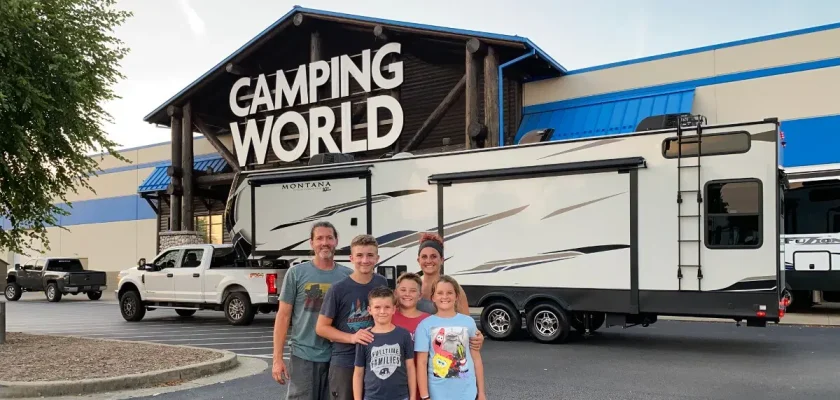
RV life is full of adventure, freedom, and family bonding, but safety should always be at the heart of every journey. Traveling with loved ones in a moving home brings its own set of risks, and being well-prepared makes all the difference between a trip full of happy memories and one filled with unnecessary stress. Over time, I’ve found that following a set of safety rules not only protects my family but also makes traveling smoother and more enjoyable.
Conduct a Pre-Trip Safety Inspection
Before starting any RV journey, I always take time to inspect the entire vehicle. This step is essential and can save you from major problems on the road. I check the tire pressure, look for cracks or bulges, and make sure lug nuts are tight. Fluid levels like oil, coolant, and brake fluid are also inspected. I test the lights, brakes, and turn signals to confirm everything is functioning properly.
Inside the RV, I verify that the propane system is secure, the smoke detector and carbon monoxide alarm have fresh batteries, and all fire extinguishers are fully charged. Even if everything looks fine, I never skip this inspection. A few minutes spent double-checking can prevent a roadside breakdown or even an accident.
Secure All Items Before Driving
An RV might look like a home, but once it’s moving, it becomes a large, rolling vehicle that reacts to bumps, turns, and sudden stops. Before I pull out of any campsite, I make sure all loose items inside are properly secured. Dishes, appliances, and even small objects like water bottles or books can become dangerous projectiles during travel.
Cabinets are locked, countertops cleared, and heavy items stored low to maintain balance. I’ve learned to treat each departure like an airplane takeoff, everything needs to be stowed away tightly. It’s a simple habit that keeps everyone safe and prevents damage to the RV interior.
Drive Within Safe Speed Limits
Driving an RV isn’t like driving a car. It takes longer to stop, wider turns are necessary, and the center of gravity is higher. I make sure to drive slower than I would in a standard vehicle, especially on winding roads or highways with heavy winds. Staying within speed limits is not only a legal requirement but also a matter of safety for everyone on board.
I maintain extra following distance from other vehicles and avoid sudden lane changes. Taking my time to reach each destination helps keep the trip relaxed and reduces the risk of accidents. Speeding in an RV rarely saves much time but can increase wear and tear on both the vehicle and nerves.
Manage Propane and Electrical Systems Safely
Propane is a convenient and essential fuel source for cooking and heating, but it demands respect and caution. I always make sure the propane tanks are turned off while driving, and I check for leaks using soapy water before each trip. If bubbles appear, it signals a leak that must be fixed before using the system again.
For electrical systems, I ensure cords and plugs are in good shape and never overloaded. Using surge protectors at campsites adds an extra layer of safety. I also avoid using high-wattage devices simultaneously to prevent overloading circuits. Regular inspections of wiring and outlets help me spot issues before they become dangerous.
Follow Campground Safety Practices
Arriving at a new campground can be exciting, but I always take time to assess the site’s safety before setting up. I look for level ground to park on, avoiding low-lying areas prone to flooding or spots under large tree branches that could fall during storms. Once parked, I make sure to use wheel chocks and stabilize the RV properly.
At night, I keep a flashlight handy and make sure outdoor areas are well-lit. I teach my kids to stay within sight, especially in unfamiliar parks, and we always establish a meeting point in case anyone gets separated. Respecting campground speed limits and quiet hours also helps maintain a peaceful and secure environment for everyone.
Stay Alert to Weather Conditions
Weather can change quickly on the road, and I’ve learned to check forecasts frequently. Strong winds, heavy rain, or extreme temperatures can all affect driving and camping safety. If severe weather is expected, I avoid driving and find a safe place to wait it out.
During storms, I retract the awning and secure any outdoor gear that could be blown away. If lightning is nearby, staying inside the RV with windows closed is safest. For heatwaves, I make sure ventilation is adequate and limit appliance use to prevent overloading the electrical system.
Maintain Fire Safety at All Times
Fire is one of the greatest risks in RV travel, so I take it seriously. I ensure that every family member knows how to use a fire extinguisher and where it’s stored. I also keep multiple extinguishers, one in the kitchen area and another near the sleeping quarters.
Cooking safety is equally important. I never leave the stove unattended, and I keep flammable items like paper towels, dishcloths, and curtains far from open flames. Campfires are a big part of RV life, but I always build them at designated sites, maintain a safe distance from the RV, and extinguish them completely before bed.
Plan for Emergencies
No matter how well you prepare, emergencies can happen, so I always keep an emergency plan in place. Our RV is stocked with a well-equipped first aid kit, bottled water, flashlights, extra batteries, and non-perishable food. Each family member knows where to find these supplies.
I also carry an emergency roadside kit that includes jumper cables, reflective triangles, and basic tools. Having an emergency contact list, both printed and stored on our phones, ensures we can get help quickly if needed. Knowing the nearest hospitals, urgent care centers, and repair shops along the route adds extra peace of mind.
Monitor Weight and Balance
An overloaded or improperly balanced RV can be dangerous to drive. Before long trips, I check the vehicle’s weight distribution by visiting a weigh station. It’s important to stay within the manufacturer’s gross vehicle weight rating to avoid putting stress on the tires and suspension.
I distribute heavier items evenly across the RV and store them low to maintain stability. Overloading one side can lead to uneven tire wear or even loss of control on the road. Managing weight properly keeps the RV handling smooth and predictable.
Teach Everyone Onboard About Safety
Safety isn’t just the driver’s responsibility, it’s something the whole family shares. Before each trip, I go over basic rules with everyone. We discuss seat belt use, how to move safely around the RV while it’s parked, and what to do in case of an emergency.
Children are taught never to open the door while driving, to stay seated and buckled during travel, and to avoid playing near the road when parked. These small but important lessons ensure everyone knows their role in maintaining safety throughout the trip.
Stay Hydrated and Rested
Long drives can be tiring, and fatigue is one of the most common causes of accidents. I make it a point to take regular breaks every few hours, stretch, and drink plenty of water. It’s easy to underestimate how exhausting it can be to handle a large vehicle for extended periods.
By planning shorter driving days and sharing driving duties when possible, I keep energy levels up and reduce the risk of mistakes. Rested drivers are alert drivers, and that makes all the difference on the road.
Protect Against Wildlife and Outdoor Hazards
RVing often means being close to nature, and while that’s part of the appeal, it also brings certain risks. I always remind the family not to feed or approach wild animals. Food is stored securely in sealed containers, and trash is disposed of properly to avoid attracting unwanted visitors.
In wooded or grassy areas, I check for ticks after hikes and make sure everyone wears appropriate footwear and clothing. Simple precautions like these help prevent bites, stings, and other outdoor hazards.
Practice Safe Water and Waste Management
Clean water is essential for any RV trip, and I make sure our tanks are filled with safe, potable water from reliable sources. I sanitize the freshwater system regularly and use filters to remove impurities. Dumping waste tanks is done only at approved dump stations, and I wear gloves during the process for hygiene.
Proper water and waste management not only keeps the family healthy but also protects the environment and preserves the beauty of the places we visit.
Respect Road Conditions and Local Laws
Different regions have different driving laws, weight limits, and RV regulations. I always research these before heading into a new area. Some roads have height restrictions or limited parking options for large vehicles, and it’s better to know that before getting stuck.
I also pay close attention to road signs indicating sharp curves, steep grades, or low bridges. Following local traffic laws keeps the journey smooth and helps avoid fines or accidents.
Keep Communication Devices Charged and Accessible
In remote areas, cell service can be unreliable, so I always keep communication tools ready. A fully charged cell phone, power bank, and even a two-way radio are part of our essential gear. I also share our travel route with a family member or friend before we leave, so someone knows where we are at all times.
If we’re traveling off-grid, I check in periodically whenever service is available. Staying connected ensures help can reach us quickly if anything goes wrong.
Conclusion
RV travel brings freedom like no other lifestyle, but that freedom thrives on responsibility. Following these safety rules helps protect everyone on board and ensures each journey is memorable for all the right reasons. Whether it’s securing loose items, maintaining the vehicle, or teaching kids how to stay safe, these small habits make a big difference.
Safety on the road isn’t about paranoia, it’s about preparation. The more aware and proactive we are, the more confidently we can explore the world together. With the right mindset and careful planning, your family can enjoy countless adventures knowing you’ve done everything possible to stay safe on the open road.


